A REVIEW ON ADVANCING ANTIFUNGAL THERAPY: A COMPUTATIONAL PERSPECTIVE ON DESIGN, ADMET PROFILING, AND ANTIFUNGAL POTENTIAL
Author : Ayush Joshi1, Bharat Chouhan2, Rajat Pawar3
Mr. Ayush Joshi
Email ID : ayushjoshi384@gmail.comABSTRACT
Fungal infections pose a significant global health challenge, necessitating the continuous development of novel antifungal agents. Computational approaches have emerged as powerful tools in antifungal drug discovery, enabling efficient molecular design, screening, and optimization. This review explores advancements in computational strategies, including molecular docking, pharmacophore modeling, and artificial intelligence-driven drug design, to enhance antifungal therapy. A key focus is on the ADMET (Absorption, Distribution, Metabolism, Excretion, and Toxicity) profiling of antifungal compounds, ensuring improved bioavailability and reduced toxicity. Additionally, we discuss the integration of cheminformatics and molecular dynamics simulations to predict antifungal potential and resistance mechanisms. The synergy of computational techniques with experimental validation accelerates the identification of promising antifungal candidates, offering a cost-effective and time-efficient alternative to traditional drug discovery methods. Future perspectives highlight the need for multi-targeted drug design, predictive machine learning models, and enhanced databases for antifungal research. The continuous refinement of computational methodologies is essential to overcoming current limitations in antifungal therapy and addressing the rising threat of drug resistance.
Keywords: Computational drug design, Antifungal therapy, ADMET profiling, Molecular docking, Artificial intelligence in drug discovery.
INTRODUCTION
Fungal infections have emerged as a significant global health concern, affecting millions of individuals and leading to high morbidity and mortality, particularly among immunocompromised patients. Opportunistic fungal pathogens such as Candida , Aspergillus , and Cryptococcus have become increasingly prevalent, with rising cases of resistance to existing antifungal drugs [figure 1]. Despite the availability of antifungal agents such as azoles, echinocandins, and polyenes, challenges such as limited efficacy, toxicity, and resistance mechanisms necessitate the continuous search for novel and improved antifungal therapies. Traditional drug discovery methods are time-consuming and costly, making it imperative to adopt computational approaches to accelerate the development of effective antifungal agents. [1, 2]
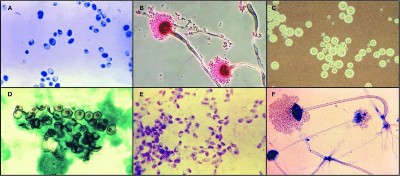
Figure 1: Fungal pathogens [3]
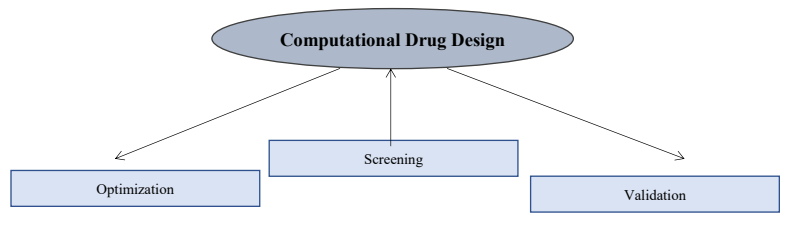
Computational drug design has revolutionized antifungal research by enabling efficient screening, optimization, and validation of potential drug candidates. These approaches leverage molecular docking, pharmacophore modeling, and quantitative structure-activity relationship (QSAR) studies to identify compounds with high binding affinity to fungal targets.[4] Additionally, artificial intelligence (AI) and machine learning (ML) techniques have enhanced predictive modeling, allowing researchers to analyze large datasets, recognize molecular patterns, and optimize lead compounds with improved efficacy and reduced toxicity. The integration of computational strategies with experimental validation has significantly reduced the time and cost associated with antifungal drug development.[5]
An essential aspect of antifungal therapy is ADMET (Absorption, Distribution, Metabolism, Excretion, and Toxicity) profiling, which ensures that drug candidates exhibit favorable pharmacokinetic and pharmacodynamic properties. [6, 7] Computational tools play a critical role in predicting ADMET characteristics, allowing researchers to refine molecular structures and minimize potential adverse effects. Poor bioavailability and toxicity remain major obstacles in antifungal drug development, making in silico ADMET screening a crucial step in optimizing therapeutic potential.[8] Furthermore, molecular dynamics simulations and cheminformatics approaches provide valuable insights into drug-target interactions, resistance mechanisms, and structural modifications that can enhance antifungal activity. [9, 10]
Fungal resistance to antifungal drugs is a growing problem, driven by genetic mutations, biofilm formation, and drug efflux mechanisms. Computational techniques aid in understanding resistance pathways and designing novel compounds that can overcome these challenges.[11] By targeting multiple fungal pathways and utilizing combination therapy strategies, computational models help in predicting synergistic effects and optimizing drug formulations for enhanced efficacy. Additionally, AI-driven approaches have facilitated the discovery of repurposed drugs with antifungal activity, further expanding the therapeutic landscape.[12]
This review explores the advancements in computational approaches for antifungal therapy, focusing on molecular design, ADMET profiling, and antifungal potential. By integrating computational strategies with experimental validation, researchers can develop novel antifungal agents with improved efficacy and safety.[13] The future of antifungal drug discovery lies in the continued refinement of computational methodologies, the application of AI-driven drug design, and the exploration of multi-targeted therapeutic approaches. Addressing current challenges in antifungal resistance and drug development requires a multidisciplinary effort, combining computational chemistry, bioinformatics, and pharmaceutical sciences to accelerate the discovery of effective antifungal agents.[14]
REVIEW OF LITERATURE
Patel et al. (2023) explored the synthesis of novel terbinafine-tetrazole hybrid compounds, aiming to enhance their antifungal activity against resistant strains of Candida albicans and Aspergillus fumigatus . The authors used a variety of synthetic strategies, such as cycloaddition reactions, to introduce tetrazole into the terbinafine scaffold. The results showed that these hybrids exhibited superior antifungal potency and broader spectrum compared to the parent drug. Additionally, the hybrids displayed improved pharmacological profiles, such as enhanced stability and reduced toxicity.[15]
Zhang et al. (2022) investigated the mechanistic action of tetrazole-based terbinafine derivatives against fungal targets, particularly focusing on the binding interactions with ergosterol biosynthesis enzymes like squalene epoxidase. Their computational modeling study showed that the tetrazole ring enhanced the binding affinity of terbinafine to the enzyme's active site, which in turn improved its antifungal efficacy. The authors also noted the improved pharmacokinetics and oral bioavailability of these hybrids, making them promising candidates for oral treatment of fungal infections.[16]
Kumar et al. (2021) provided a comprehensive review on the development of hybrid antifungal agents, particularly focusing on the combination of tetrazole with traditional antifungal scaffolds like terbinafine. The review covered several strategies for improving the solubility, stability, and absorption of these compounds. The authors concluded that the introduction of tetrazole to terbinafine molecular structure not only improved its antifungal potency but also enhanced its bioavailability by reducing its susceptibility to metabolic degradation.[17]
Patil et al. (2020) investigated the efficacy of terbinafine-tetrazole hybrids against multiple drug-resistant
fungal strains. The study showed that these hybrids exhibited greater inhibition zones in agar diffusion tests and were effective against a wider range of fungi, including dermatophytes and opportunistic fungi such as Aspergillus niger and Cryptococcus neoformans . The study highlighted the importance of tetrazole as a pharmacophore for improving the target selectivity and resistance profile of these hybrid antifungal agents.[18]
Singh et al. (2019) examined the synthetic strategies for creating terbinafine-tetrazole hybrids and their antifungal properties. They discussed the role of molecular docking studies to predict the interaction of these hybrids with fungal targets such as lanosterol 14-alpha-demethylase, a key enzyme in ergosterol biosynthesis. The study provided experimental evidence supporting the idea that these hybrids could inhibit ergosterol biosynthesis more effectively than terbinafine alone, which could lead to enhanced antifungal activity and reduced risk of resistance.[19]
Thakur et al. (2018) synthesized a series of terbinafine-tetrazole hybrids and tested their antifungal activity in vitro. The results revealed that these hybrids exhibited potent activity against a range of fungal species, including both dermatophytes and systemic pathogens. Notably, the hybrid compounds showed improved pharmacokinetic properties, including enhanced solubility and oral bioavailability, which could make them more suitable for clinical use. The study also reported that the hybrids demonstrated low toxicity in human cell lines, suggesting their potential for safe use in systemic treatment.[20]
Verma et al. (2017) provided a detailed review of the challenges associated with improving the oral bioavailability of antifungal agents. They emphasized the role of molecular hybridization in overcoming these challenges, particularly through the incorporation of tetrazole rings into existing antifungal frameworks like terbinafine. The review outlined how the enhanced lipophilicity and bioavailability of terbinafine-tetrazole hybrids could potentially make them more effective in treating systemic fungal infections.[21]
COMPUTATIONAL APPROACHES IN ANTIFUNGAL DRUG DESIGN
The discovery and development of antifungal drugs have historically relied on traditional
Molecular Docking and Virtual Screening
Molecular docking is a widely used computational technique in antifungal drug discovery that predicts how small molecules interact with fungal target proteins. It involves simulating the binding of drug-like molecules to a receptor site to estimate binding affinity and stability. Docking studies help identify potential inhibitors by evaluating their binding poses and molecular interactions, such as hydrogen bonding, hydrophobic interactions, and electrostatic forces.
Virtual screening complements molecular docking by allowing researchers to screen large compound libraries to identify promising antifungal candidates. This method can be either structure-based, where known fungal target structures are used to find complementary ligands, or ligand-based, where compounds with known antifungal activity are used to identify structurally similar molecules. Virtual screening significantly reduces the number of compounds that need to be synthesized and tested, accelerating the lead identification process. In antifungal research, molecular docking has been instrumental in identifying inhibitors against fungal enzymes such as lanosterol 14α-demethylase (a key enzyme in ergosterol biosynthesis) and chitin synthase (involved in fungal cell wall synthesis). The application of docking-based virtual screening has led to the discovery of novel azole derivatives, echinocandin analogs, and natural product-based antifungal agents with improved efficacy and reduced resistance potential.[23]
Pharmacophore Modeling and QSAR Studies
Pharmacophore modeling is a computational technique used to identify essential molecular features responsible for antifungal activity. A pharmacophore is a 3D arrangement of chemical features such as hydrogen bond donors, acceptors, hydrophobic regions, and aromatic rings that interact with a specific biological target. By analyzing known antifungal agents, researchers can generate pharmacophore models that guide the design of new molecules with enhanced binding properties.
Quantitative structure-activity relationship (QSAR) studies further enhance antifungal drug discovery by establishing mathematical relationships between the chemical structures of compounds and their biological activity. QSAR models use statistical and machine learning techniques to predict the antifungal potency of new compounds based on molecular descriptors such as electronic properties, hydrophobicity, and steric factors.
Pharmacophore modeling and QSAR have been successfully applied in designing antifungal inhibitors against fungal cytochrome P450 enzymes, glucan synthase, and heat shock proteins. These methods enable the rational modification of existing antifungal drugs to improve selectivity and reduce toxicity. Additionally, QSAR models help in predicting the ADMET
Artificial Intelligence and Machine Learning in Drug Discovery
Artificial intelligence (AI) and machine learning (ML) have significantly transformed antifungal drug discovery by enabling rapid data analysis, pattern recognition, and predictive modeling. These technologies are particularly useful in identifying novel antifungal compounds, optimizing drug formulations, and predicting resistance mechanisms.
AI-driven drug discovery involves deep learning algorithms that analyze large datasets of antifungal compounds, molecular interactions, and clinical data to identify new drug candidates. Machine learning models can predict the activity of unknown compounds against fungal targets, reducing the need for extensive experimental screening. Additionally, AI enhances the identification of drug repurposing opportunities, where existing non-antifungal drugs are screened for potential antifungal properties.
In recent years, AI-powered techniques such as generative adversarial networks (GANs) and reinforcement learning have been employed to design novel antifungal molecules with optimized properties. These models generate new chemical structures based on learned patterns and refine them to achieve better drug-likeness and target specificity. Moreover, AI-based platforms can predict potential toxicity, bioavailability, and drug resistance patterns, enabling early-stage filtering of unsuitable drug candidates.
AI-driven approaches also play a crucial role in antifungal resistance studies. By analyzing genomic and transcriptomic data from resistant fungal strains, machine learning models can identify genetic mutations responsible for resistance and suggest alternative therapeutic strategies. The integration of AI with molecular docking, pharmacophore modeling, and QSAR further enhances the efficiency and accuracy of antifungal drug discovery.[26]
Molecular Dynamics Simulations and Mechanistic Insights
Molecular dynamics (MD) simulations provide detailed insights into the dynamic behavior of drug-target interactions over time. Unlike molecular docking, which provides a static snapshot of ligand-receptor binding, MD simulations model the flexibility and stability of these interactions under physiological conditions.
In antifungal research, MD simulations are used to study the stability of antifungal drug binding, predict resistance mutations, and optimize lead compounds. By simulating the molecular motions of fungal proteins and their interactions with inhibitors, researchers can refine drug designs to improve binding affinity and specificity.
MD simulations also play a vital role in understanding resistance mechanisms at the molecular level. For example, in azole-resistant Candida species, MD studies have revealed structural changes in lanosterol 14α-demethylase that reduce drug binding efficiency. By analyzing these resistance-associated mutations, researchers can design next-generation azole derivatives that overcome resistance.
Additionally, MD simulations aid in optimizing antifungal combination therapies by modeling the synergistic effects of multiple drugs on fungal targets. This approach helps in identifying drug combinations that enhance efficacy while minimizing toxicity. The use of MD simulations in conjunction with AI and machine learning further enhances drug discovery by providing mechanistic insights that guide rational drug design. [27]
Absorption and Bioavailability Considerations
For an antifungal drug to be effective, it must be efficiently absorbed and reach therapeutic concentrations in the bloodstream. Poor absorption and bioavailability limit the efficacy of many antifungal agents, particularly orally administered drugs. Factors influencing absorption include solubility, permeability, and stability in the gastrointestinal tract.
Computational tools such as quantitative structure-property relationship (QSPR) models and physiologically based pharmacokinetic (PBPK) simulations help predict absorption and optimize molecular structures to enhance bioavailability. Lipinski’s Rule of Five is commonly used to assess oral drug-likeness, considering parameters like molecular weight, lipophilicity, and hydrogen bonding capacity. In silico methods enable the early identification of poorly absorbed compounds, reducing the risk of failure in later drug development stages.[29]
Metabolism and Toxicity Prediction
Metabolism plays a critical role in determining the half-life and activity of antifungal drugs. Many antifungal agents, particularly azoles, undergo extensive hepatic metabolism by cytochrome P450 enzymes, which can lead to variability in drug efficacy among patients. Predicting metabolic stability is essential to ensure consistent therapeutic effects.
Computational approaches such as molecular docking and machine learning models help predict drug metabolism by identifying potential sites of enzymatic modification. These predictions guide chemical modifications to improve metabolic stability while maintaining antifungal activity. Additionally, in silico toxicity screening tools assess hepatotoxicity, nephrotoxicity, and other adverse effects, enabling the design of safer antifungal drugs.[30]
Pharmacokinetics and Drug-Drug Interactions
Antifungal drugs often need to be co-administered with other medications, increasing the risk of drug-drug interactions (DDIs). Many antifungals inhibit or induce cytochrome P450 enzymes, leading to altered drug metabolism and potential toxicity. For example, azole antifungals are strong CYP3A4 inhibitors, which can affect the metabolism of immunosuppressants and anticoagulants.
Computational DDI prediction models analyze potential interactions based on metabolic pathways and enzyme affinities. PBPK modeling and network-based approaches allow researchers to assess the impact of antifungal drugs on systemic pharmacokinetics, ensuring safer therapeutic regimens.
By integrating ADMET profiling with computational strategies, antifungal drug development can be streamlined, resulting in safer and more effective therapies.[31]
One of the most pressing challenges in antifungal therapy is the increasing prevalence of drug resistance. The widespread and prolonged use of antifungal drugs, particularly azoles, has led to the emergence of resistant fungal strains. Species such as Candida auris and Aspergillus have shown high levels of resistance to multiple antifungal classes, limiting treatment options. Resistance mechanisms include mutations in drug target genes, overexpression of efflux pumps that expel antifungal drugs from fungal cells, and biofilm formation, which protects fungal communities from antifungal penetration. These resistance strategies significantly reduce drug efficacy and contribute to treatment failures, making the discovery of novel antifungal agents or resistance-modifying strategies a necessity.[32] Another critical issue in antifungal therapy is the limited number of available antifungal drug classes. Unlike antibacterial therapy, which has a vast arsenal of antibiotics targeting various bacterial structures and functions, antifungal drugs are restricted to a few main classes: azoles, polyenes, echinocandins, and allylamines. The limited diversity of antifungal drug targets arises from the fact that fungal cells share many biological similarities with human cells, making selective targeting difficult. Many antifungal agents disrupt ergosterol biosynthesis or cell wall integrity, but the risk of toxicity to human cells remains a major concern. This lack of diverse drug classes not only limits treatment choices but also exacerbates the problem of resistance, as fungi can rapidly evolve resistance to existing drugs when no alternative therapies are available.
Toxicity and side effects associated with antifungal drugs present another major challenge. Many antifungal agents have a narrow therapeutic index, meaning that the difference between an effective dose and a toxic dose is small. For example, amphotericin B, a potent polyene antifungal, is highly effective but is associated with severe nephrotoxicity, limiting its long- term use. Similarly, azole antifungals can cause hepatotoxicity and drug-drug interactions, which can complicate treatment in patients who require multiple medications. The challenge lies in developing new antifungal drugs with improved safety profiles while maintaining high efficacy against fungal pathogens. Computational approaches such as molecular docking and ADMET (Absorption, Distribution, Metabolism, Excretion, and Toxicity) modeling can aid in designing safer antifungal compounds by predicting toxicity and optimizing pharmacokinetic properties before experimental testing.
The diagnosis of fungal infections remains another significant barrier to effective antifungal therapy. Unlike bacterial infections, which can often be diagnosed quickly using culture-based methods or molecular diagnostics, fungal infections are more difficult to detect due to their slow growth and the lack of specific biomarkers. Delayed or inaccurate diagnosis can lead to inappropriate antifungal treatment, increasing the risk of resistance development and treatment failure. Computational tools such as machine learning-based diagnostic models and predictive analytics are being explored to improve the accuracy and speed of fungal infection diagnosis, but widespread implementation in clinical settings is still in its early stages.
Another major concern in antifungal therapy is poor bioavailability and pharmacokinetic limitations of antifungal drugs. Many antifungal agents suffer from issues such as poor solubility, rapid metabolism, and low tissue penetration, which can reduce their effectiveness. Oral bioavailability is particularly problematic for drugs like itraconazole, which require acidic conditions for absorption and have highly variable plasma concentrations among patients.
molecular dynamics simulations and in silico ADMET profiling help researchers predict and
optimize pharmacokinetic properties, allowing for the development of antifungal drugs with better absorption, distribution, and metabolic stability.
Fungal infections disproportionately affect certain vulnerable populations, such as those in low-income regions with limited access to healthcare and antifungal medications. The high cost of antifungal drugs, particularly newer agents, makes them inaccessible to many patients who need them. Additionally, the lack of investment in antifungal drug research compared to antibacterial or antiviral drugs has slowed the development of novel antifungal treatments. Pharmaceutical companies often prioritize drug development in areas with higher commercial potential, leading to a lack of innovation in antifungal therapy. This funding gap hinders the discovery of new antifungal compounds and delays the introduction of more effective and affordable treatments.
Environmental factors also play a role in the increasing burden of fungal infections. Climate change, deforestation, and urbanization have led to shifts in fungal ecology, contributing to the emergence of new fungal pathogens and the spread of existing ones. For instance, the recent rise of Candida auris , a multidrug-resistant fungal pathogen, has been linked to global temperature changes that may have facilitated its adaptation to human body temperature. Understanding these ecological and environmental factors is crucial for predicting and mitigating future fungal outbreaks. Computational epidemiology and predictive modeling can help identify trends in fungal infections and inform public health strategies to reduce their impact.
In summary, antifungal therapy faces multiple challenges, including drug resistance, limited drug diversity, toxicity, diagnostic difficulties, pharmacokinetic limitations, economic constraints, and environmental influences. Overcoming these challenges requires a multidisciplinary approach that integrates computational drug design, predictive modeling, and experimental validation. Advances in artificial intelligence, machine learning, and cheminformatics provide promising solutions for accelerating antifungal drug discovery and optimizing therapeutic strategies. By leveraging computational tools to address these barriers, researchers can develop safer, more effective antifungal agents and improve outcomes for patients suffering from fungal infections.[33]
CHEMINFORMATICS AND DATA-DRIVEN STRATEGIES FOR ANTIFUNGAL RESEARCH
Cheminformatics, the application of computational and data-driven techniques to chemical and biological data, has become an essential tool in antifungal drug discovery. It involves the use of molecular databases, predictive modeling, and data mining to identify and optimize antifungal compounds. The integration of cheminformatics with machine learning (ML) and artificial intelligence (AI) enables researchers to analyze large datasets, identify molecular patterns, and predict biological activity, significantly accelerating the drug development process.
Molecular fingerprinting and similarity-based approaches help in screening large compound libraries for potential antifungal activity. By comparing the structural features of known antifungal agents, cheminformatics tools can identify new lead compounds with similar or improved properties. Additionally, QSAR (Quantitative Structure-Activity Relationship) models use statistical methods to establish correlations between molecular descriptors and antifungal potency, enabling rational drug design.
Data-driven strategies also play a crucial role in repurposing existing drugs for antifungal use. By analyzing drug-target interactions and pharmacokinetic profiles, cheminformatics
Moreover, cheminformatics aids in predicting ADMET (Absorption, Distribution, Metabolism,
Excretion, and Toxicity) properties, ensuring that potential drug candidates exhibit favorable pharmacokinetics and safety profiles. By integrating cheminformatics with other computational methods like molecular docking and molecular dynamics simulations, researchers can design and refine antifungal agents more efficiently.[34]
RESISTANCE MECHANISMS AND STRATEGIES TO OVERCOME DRUG RESISTANCE
Fungal resistance to antifungal drugs is a growing concern, posing a major challenge to effective treatment. Resistance mechanisms can arise through genetic mutations, overexpression of efflux pumps, biofilm formation, and enzymatic modifications that reduce drug efficacy. Understanding these resistance pathways is critical for developing new antifungal agents that can overcome or bypass resistance mechanisms.
One of the primary resistance mechanisms involves mutations in drug target proteins, such as lanosterol 14α-demethylase, the primary target of azole antifungals. These mutations alter drug binding affinity, reducing drug effectiveness. Computational approaches, including molecular docking and molecular dynamics simulations, help predict how mutations affect drug-target interactions and guide the design of next-generation inhibitors that can maintain potency against resistant strains.
Efflux pumps, such as ATP-binding cassette (ABC) transporters and major facilitator superfamily (MFS) proteins, contribute to resistance by actively expelling antifungal drugs from fungal cells. Computational screening and AI-based modeling are used to identify inhibitors that block efflux pump activity, enhancing drug retention within fungal cells.
Biofilm formation further complicates antifungal treatment, as fungal biofilms exhibit increased resistance to antifungal agents compared to planktonic cells. Machine learning algorithms and network-based approaches help identify compounds that disrupt biofilm formation, providing new therapeutic strategies. Additionally, combination therapy strategies using multiple antifungal agents or antifungal-drug adjuvant combinations can enhance efficacy and reduce resistance development.
By integrating computational predictions with experimental validation, researchers can identify and design antifungal agents that target multiple pathways, reducing the likelihood of resistance. Advanced AI models and genomic analysis tools continue to improve our understanding of resistance mechanisms, leading to the development of more effective antifungal therapies.[35]
EXPERIMENTAL VALIDATION AND INTEGRATION WITH COMPUTATIONAL MODELS
While computational approaches have significantly accelerated antifungal drug discovery, experimental validation remains essential to confirm in silico predictions. The integration of computational and experimental methods enhances the accuracy and reliability of drug discovery, ensuring that identified compounds exhibit real-world antifungal activity.
In vitro and in vivo testing are used to validate computationally predicted drug candidates. High-throughput screening (HTS) allows researchers to rapidly test large compound libraries for antifungal activity, confirming docking and virtual screening results. Additionally, minimum inhibitory concentration (MIC) assays, cytotoxicity tests, and biofilm inhibition assays help assess the effectiveness and safety of new antifungal agents.
electron microscopy (cryo-EM) are needed to validate predicted binding modes. These
structural biology methods provide high-resolution images of drug-target complexes, refining computational models and improving drug design strategies.
Pharmacokinetic and ADMET predictions must also be validated through in vivo animal studies before clinical trials. Computationally optimized compounds undergo testing in animal models to assess bioavailability, metabolism, and toxicity. These studies confirm whether in silico predictions accurately translate to biological systems.
By integrating computational and experimental methods, antifungal drug discovery becomes more efficient and cost-effective. The synergy between cheminformatics, AI-driven drug design, resistance analysis, and laboratory validation ensures the development of antifungal therapies with enhanced efficacy, reduced toxicity, and lower resistance potential. This multidisciplinary approach is essential for addressing the growing challenges in antifungal therapy and improving treatment outcomes. [36, 37]
FUTURE PERSPECTIVES AND EMERGING TRENDS
The field of antifungal drug discovery is rapidly evolving, driven by advances in computational tools, artificial intelligence (AI), and next-generation therapeutic strategies. As fungal infections become more prevalent and resistant strains continue to emerge, novel approaches are essential to improve treatment outcomes.
One of the most promising future directions is the integration of AI and machine learning (ML) into antifungal research. AI-powered drug discovery platforms can analyze vast datasets, predict new antifungal compounds, and optimize drug formulations with unprecedented efficiency. Deep learning algorithms are being used to design novel molecules with improved potency, selectivity, and reduced toxicity. AI is also enhancing diagnostic capabilities, enabling faster and more accurate detection of fungal infections, which is crucial for timely treatment. Another emerging trend is the exploration of antifungal peptides and natural product-based therapeutics. Antimicrobial peptides (AMPs) derived from natural sources, such as fungi, bacteria, and plants, offer a promising alternative to traditional small-molecule antifungals. These peptides exhibit broad-spectrum activity, disrupt fungal membranes, and have lower resistance potential. Advances in bioinformatics and cheminformatics are aiding in the rational design and optimization of these bioactive molecules.[38]
Combination therapy is gaining attention as a strategy to overcome antifungal resistance. The use of synergistic drug combinations, such as antifungal-antibiotic or antifungal- immunomodulator pairings, enhances efficacy and reduces the likelihood of resistance. Computational methods, including network pharmacology and machine learning models, are helping to identify optimal drug combinations and predict their interactions.
Nanotechnology is also revolutionizing antifungal drug delivery. Nanocarriers, such as liposomes, nanoparticles, and polymer-based systems, enhance drug solubility, stability, and targeted delivery, reducing systemic toxicity. Smart drug delivery systems that release antifungal agents in response to specific fungal signals are being developed, improving therapeutic precision.
Finally, advances in genomics and CRISPR-based gene editing are paving the way for novel antifungal targets. By studying fungal genomes and resistance mechanisms, researchers can identify new drug targets and develop precision therapies that specifically inhibit fungal growth without affecting human cells. [39, 40]
CONCLUSION
The landscape of antifungal therapy is undergoing a transformative shift, driven by computational advancements, AI-driven drug discovery, and emerging therapeutic innovations. Despite challenges such as drug resistance, toxicity, and limited drug diversity, new strategies are being developed to enhance antifungal efficacy and safety.
Computational approaches, including molecular docking, pharmacophore modeling, QSAR, and molecular dynamics simulations, have significantly accelerated drug discovery. AI and cheminformatics continue to refine drug design, while experimental validation ensures the real- world effectiveness of these computationally predicted candidates.
As fungal infections continue to pose a serious global health threat, integrating multidisciplinary approaches—spanning computational drug design, genomics, nanotechnology, and combination therapy—will be essential for developing next-generation antifungal treatments. The future of antifungal therapy lies in innovative, data-driven solutions that not only address current challenges but also anticipate and counteract emerging resistance threats. By leveraging cutting-edge technologies, researchers can create safer, more effective antifungal agents that improve patient outcomes and global health.
REFERENCES
-
Pilmis, B.; Alanio, A.; Lortholary, O.; Lanternier, F. Recent advances in the understanding and management of mucormycosis. F1000Research 2018, 7, 1429. [Google Scholar] [ CrossRef] [ PubMed]
-
Guzmán-Castro, S.; Chora-Hernandez, L.D.; Trujillo-Alonso, G.; Calvo-Villalobos, I.; Sanchez-Rangel, A.; Ferrer-Alpuin, E.; Ruiz-Jimenez, M.; Corzo-Leon, D.E. COVID-19- associated mucormycosis, diabetes and steroid therapy: Experience in a single centre in Western Mexico. Mycoses 2022, 65, 65–70. [ Google Scholar] [ CrossRef] [ PubMed]
-
https://www.researchgate.net/publication/345768329/figure/fig1/AS:95705367367270 4@1605190785007/Photomicrographs-of-the-most-common-fungal-pathogens-causing- invasive-diseases-in-humans.png
-
Petrikkos, G.; Skiada, A.; Lortholary, O.; Roilides, E.; Walsh, T.J.; Kontoyiannis, D.P. Epidemiology and clinical manifestations of mucormycosis. Clin. Infect. Dis. Off. Publ. Infect. Dis. Soc. Am. 2012, 54 (Suppl. 1), S23–S34. [ Google Scholar] [ CrossRef]
-
Ibrahim, A.S.; Spellberg, B.; Walsh, T.J.; Kontoyiannis, D.P. Pathogenesis of mucormycosis. Clin. Infect. Dis. Off. Publ. Infect. Dis. Soc. Am. 2012, 54 (Suppl. 1), S16– S22. [ Google Scholar] [ CrossRef]
-
Fricke-Galindo, I.; Falfán-Valencia, R. Genetics Insight for COVID-19 Susceptibility and Severity: A Review. Front. Immunol. 2021, 12, 622176. [Google Scholar] [ CrossRef]
-
Roden, M.M.; Zaoutis, T.E.; Buchanan, W.L.; Knudsen, T.A.; Sarkisova, T.A.; Schaufele, R.L.; Sein, M.; Sein, T.; Chiou, C.C.; Chu, J.H.; et al. Epidemiology and outcome of zygomycosis: A review of 929 reported cases. Clin. Infect. Dis. 2005, 41, 634–653. [Google Scholar] [ CrossRef] [ Green Version]
-
Horiguchi, T.; Tsukamoto, T.; Toyama, Y.; Sasaki, T.; Nakamura, T.; Sakurai, A.; Kuriyama, N.; Komatsu, S.; Shigeyasu, Y.; Ina, T.; et al. Fatal disseminated mucormycosis associated with COVID-19. Respirol. Case Rep. 2022, 10, e0912. [Google Scholar] [ CrossRef]
World. Mycopathologia 2021, 186, 739–754. [ Google Scholar] [ CrossRef]
-
Dogra, S.; Arora, A.; Aggarwal, A.; Passi, G.; Sharma, A.; Singh, G.; Barnwal, R.P. Mucormycosis amid COVID-19 Crisis: Pathogenesis, Diagnosis, and Novel Treatment Strategies to Combat the Spread. Front. Microbiol. 2022, 12, 794176. [Google Scholar] [ CrossRef]
-
Tandon, A.; Pandey, L. COVID-19, steroids, and mucormycosis. Indian J. Ophthalmol. 2021, 69, 1970. [ Google Scholar] [ CrossRef]
-
Singh, A.K.; Singh, R.; Joshi, S.R.; Misra, A. Mucormycosis in COVID-19: A systematic review of cases reported worldwide and in India. Diabetes Metab. Syndr. 2021, 15, 102146. [ Google Scholar] [ CrossRef]
-
Aranjani, J.M.; Manuel, A.; Abdul, R.H.I.; Mathew, S.T. COVID-19-associated mucormycosis: Evidence-based critical review of an emerging infection burden during the pandemic’s second wave in India. PLoS Negl. Trop. Dis. 2021, 15, e0009921. [Google Scholar] [ CrossRef] [ PubMed]
-
Anjum, K.; Abbas, S.Q.; Shah, S.A.; Akhter, N.; Batool, S.; Hassan, S.S. Marine Sponges as a Drug Treasure. Biomol. Ther. 2016, 24, 559. [Google Scholar] [ CrossRef] [ PubMed] [Green Version]
-
Laport, M.S.; Santos, O.C.; Muricy, G. Marine sponges: Potential sources of new antimicrobial drugs. Curr. Pharm. Biotechnol. 2009, 10, 86–105. [ Google Scholar] [ CrossRef] [ PubMed]
-
Varijakzhan, D.; Loh, J.Y.; Yap, W.S.; Yusoff, K.; Seboussi, R.; Lim, S.E.; Lai, K.S.; Chong, C.M. Bioactive Compounds from Marine Sponges: Fundamentals and Applications. Mar. Drugs 2021, 19, 246. [ Google Scholar] [ CrossRef]
-
Cardoso, J.; Nakayama, D.G.; Sousa, E.; Pinto, E. Marine-Derived Compounds and Prospects for Their Antifungal Application. Molecules 2020, 25, 5856. [Google Scholar] [ CrossRef]
-
Mehbub, M.F.; Perkins, M.V.; Zhang, W.; Franco, C.M.M. New marine natural products from sponges (Porifera) of the order Dictyoceratida (2001 to 2012); A promising source for drug discovery, exploration and future prospects. Biotechnol. Adv. 2016, 34, 473–
491. [ Google Scholar] [ CrossRef]
-
Abdelaleem, E.; Mamdouh, S.; Desoukey, S.; Miaomiao, L.; Ronald, Q.; Usama, A. Marine natural products from sponges (Porifera) of the order Dictyoceratida (2013 to 2019); A promising source for drug discovery. RSC Adv. 2020, 10, 34959–34976. [Google Scholar] [ CrossRef]
-
Guo, P.; Li, G.; Liu, Y.; Lu, A.; Wang, Z.; Wang, Q. Naamines and Naamidines as Novel Agents against a Plant Virus and Phytopathogenic Fungi. Mar. Drugs 2018, 16, 311. [Google Scholar] [ CrossRef] [ PubMed] [Green Version]
-
Bjørsvik, H.; Sandtorv, A. Synthesis of Imidazole Alkaloids Originated in Marine Sponges. In Studies in Natural Products Chemistry; Elsevier: Amsterdam, The Netherlands, 2014; Volume 42, pp. 33–57. [ Google Scholar] [ CrossRef]
-
Koswatta, P.B.; Lovely, C.J. Concise total synthesis of naamine G and naamidine
H. Chem. Commun. (Camb.) 2010, 46, 2148–2150. [ Google Scholar] [ CrossRef] [ PubMed]
-
Ohta, S.; Tsuno, N.; Nakamura, S.; Taguchi, N.; Yamashita, M.; Kawasaki, I.; Fujieda,
M. Total Syntheses of Naamine A and Naamidine A, Marine Imidazole Alkaloids. Heterocycles 2000, 53, 1939–1955. [ Google Scholar] [ CrossRef]
-
Aberle, N.S.; Lessene, G.; Watson, K.G. A concise total synthesis of naamidine A. Org. Lett. 2006, 8, 419–421. [ Google Scholar] [ CrossRef] [ PubMed]
Scholar] [ CrossRef] [ PubMed]
-
Tanaka, N. Search for Structurally Unique Bioactive Natural Products. Yakugaku Zasshi J. Pharm. Soc. Jpn. 2015, 135, 1091–1097. [Google Scholar] [ CrossRef] [Green Version]
-
Casapullo, A.; Bifulco, G.; Bruno, I.; Riccio, R. New bisindole alkaloids of the topsentin and hamacanthin classes from the Mediterranean marine sponge Rhaphisia lacazei. J. Nat. Prod. 2000, 63, 447–451. [ Google Scholar] [ CrossRef]
-
Oh, K.B.; Mar, W.; Kim, S.; Kim, J.Y.; Lee, T.H.; Kim, J.G.; Shin, D.; Sim, C.J.; Shin,
J. Antimicrobial activity and cytotoxicity of bis(indole) alkaloids from the sponge Spongosorites sp. Biol. Pharm. Bull. 2006, 29, 570–573. [ Google Scholar] [ CrossRef] [ Green Version]
-
Butts A, Krysan DJ. Antifungal drug discovery: something old and something new. PLoS Pathog . 2012;8(9):e1002870. Available from: http://dx.doi.org/10.1371/journal.ppat.1002870
-
Campoy S, Adrio JL. Antifungals. Biochem Pharmacol . 2017;133:86–96. Available from: http://dx.doi.org/10.1016/j.bcp.2016.11.019
-
Cannon RD, Lamping E, Holmes AR, Niimi K, Tanabe K, Niimi M, et al. Efflux- mediated antifungal drug resistance. Clin Microbiol Rev . 2009;22(2):291–321. Available from: http://dx.doi.org/10.1128/CMR.00051- 08
-
Cowen LE, Sanglard D, Howard SJ, Rogers PD, Perlin DS. Mechanisms of antifungal drug resistance. Cold Spring Harb Perspect Med . 2015;5(7):a019752. Available from: http://dx.doi.org/10.1101/cshperspect.a019752
-
Denning DW, Bromley MJ. Infectious disease. How to bolster the antifungal pipeline.
Science . 2015;347(6229):1414–6. Available from: http://dx.doi.org/10.1126/science.aaa6097
-
Fisher MC, Hawkins NJ, Sanglard D, Gurr SJ. Worldwide emergence of resistance to antifungal drugs challenges human health and food security. Science . 2018;360(6390):739–
42. Available from: http://dx.doi.org/10.1126/science.aap7999
-
Ghannoum MA, Rice LB. Antifungal agents: mode of action, mechanisms of resistance, and correlation of these mechanisms with bacterial resistance. Clin Microbiol Rev . 1999;12(4):501–17. Available from: http://dx.doi.org/10.1128/CMR.12.4.501
-
Gintjee TJ, Donnelley MA, Thompson GR. Aspiring antifungals: review of current antifungal pipeline developments. J Fungi (Basel) . 2020;6(1):28. Available from: http://dx.doi.org/10.3390/jof6010028
-
Hitchcock CA. Cytochrome P450-dependent 14α-sterol demethylase of Candida albicans and its interaction with azole antifungals. Biochem Soc Trans . 1991;19(3):782–7. Available from: http://dx.doi.org/10.1042/bst0190782
-
Hoenigl M, Gangneux JP, Segal E, Alanio A, Chakrabarti A, Chen S, et al. Global guidelines and initiatives from the European Confederation of Medical Mycology to prevent, diagnose and treat fungal diseases. Lancet Infect Dis . 2021;21(5): e362–74. Available from: http://dx.doi.org/10.1016/S1473-3099(20)30784- 2