
A COMPREHENSIVE REVIEW ON BILAYER TABLET TECHNOLOGY: RECENT TRENDS IN BILAYER TABLET DEVELOPMENT AND EVALUATION
Author : Arpita Soni1, Vaibhav Verma2, Bharat Chouhan3
Ms. Arpita Soni
Email ID: arpitasoni9080@gmail.comABSTRACT
Bilayer tablet technology has emerged as an innovative approach in pharmaceutical formulation, enabling the simultaneous delivery of multiple drugs or modified release profiles within a single dosage form. This technology offers advantages such as improved patient compliance, reduced dosing frequency, and enhanced therapeutic efficacy. Bilayer tablets are particularly beneficial for combining incompatible drugs, achieving immediate and controlled release in a single formulation, and minimizing drug interactions. Recent advancements in bilayer tablet development focus on optimizing layer adhesion, minimizing layer separation, and enhancing manufacturing efficiency. Various formulation techniques, including direct compression, wet granulation, and novel approaches like 3D printing, have been explored to improve the quality and performance of bilayer tablets. Evaluation parameters such as hardness, friability, dissolution, and in vitro drug release studies play a crucial role in ensuring the stability and efficacy of the final product. However, challenges such as layer delamination, weight variation, and production scalability remain significant concerns. This review provides a comprehensive discussion on the latest trends in bilayer tablet formulation, evaluation techniques, and the challenges associated with their development. Additionally, it explores the potential future advancements that can further enhance the effectiveness and commercial viability of bilayer tablets in the pharmaceutical industry.
Keywords: Bilayer tablets, Controlled drug release, pharmaceutical formulation, Tablet evaluation, Advanced drug delivery systems
INTRODUCTION
Bilayer tablet technology has gained significant attention in the pharmaceutical industry due to its ability to enhance drug delivery by combining multiple drugs or different release profiles in a single dosage form (Figure 1). This technology offers a strategic approach to improving therapeutic efficacy, reducing dosing frequency, and enhancing patient compliance. [1, 2] Bilayer tablets are particularly advantageous for drugs with different pharmacokinetic profiles, where a combination of immediate and sustained release is desired.[3]
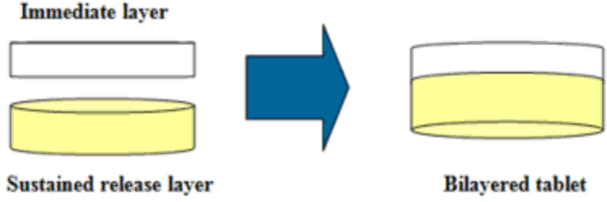
Figure 1: Phenomenon of Bilayer Tablet [4]
The development of bilayer tablets involves several challenges, such as ensuring layer adhesion, preventing delamination, and achieving uniform weight distribution between the two layers. [5, 6] Various formulation approaches, including direct compression, wet granulation, dry granulation, and emerging technologies like 3D printing, have been explored to overcome these challenges. Each of these methods has its advantages and limitations, which must be carefully considered during the formulation process. [7, 8]
This review provides an in-depth discussion on bilayer tablet technology, covering its advantages, challenges, and different formulation techniques. Recent advancements in manufacturing technologies and evaluation parameters are also explored to provide a comprehensive understanding of this evolving drug delivery system. [9, 10]
OVERVIEW OF BILAYER TABLET TECHNOLOGY
Bilayer tablets consist of two distinct layers within a single dosage form, designed to deliver one or more active pharmaceutical ingredients (APIs) in a controlled or sequential manner. These tablets can be formulated to provide various release patterns, including immediate release, controlled release, or a combination of both.[11] The primary objectives of bilayer tablet technology include:
-
Enhancing drug efficacy through controlled release mechanisms.
-
Reducing drug interactions by separating incompatible APIs.
-
Improving patient adherence by minimizing dosing frequency.
-
Facilitating sequential drug release for combination therapies.
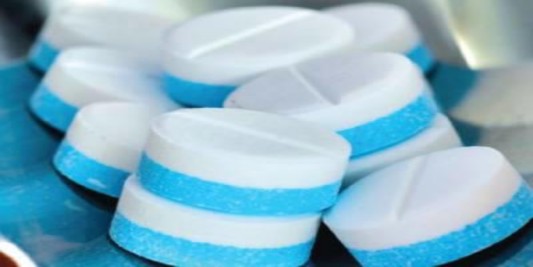
Figure 2: Bilayer Tablet [12]
Bilayer tablets are widely used for therapeutic areas such as pain management, cardiovascular diseases, and neurological disorders. Their ability to combine multiple functionalities within a single dosage form makes them an attractive option for pharmaceutical formulation (figure 2).[13]
ADVANTAGES OF BILAYER TABLETS
The development of bilayer tablets provides multiple benefits for both pharmaceutical manufacturers and patients. Some of the key advantages include:
-
Improved Drug Release Control: Bilayer tablets enable precise control over drug release, allowing for immediate and sustained release in a single dosage form.
-
Combination Therapy: They facilitate the co-administration of two drugs that may otherwise be incompatible in a single-layer tablet or capsule.
-
Enhanced Patient Compliance: By reducing the number of daily doses required, bilayer tablets contribute to better adherence to prescribed therapies.
-
Reduced Side Effects: Controlled release of APIs can minimize peak plasma concentrations, leading to fewer side effects and improved therapeutic outcomes.
-
Improved Stability: Separation of layers prevents drug-drug or drug-excipient interactions, enhancing the stability of the formulation.
Due to these advantages, bilayer tablets have become a preferred option for many therapeutic applications, driving ongoing research into improving formulation techniques and manufacturing processes. [14, 15]
CHALLENGES IN BILAYER TABLET FORMULATION
Despite their numerous advantages, bilayer tablets pose significant formulation and manufacturing challenges. Some of the common issues include:
-
Layer Delamination and Poor Adhesion: Inadequate bonding between layers can lead to separation during production, packaging, or storage.
-
Weight Variation: Achieving uniform weight distribution across both layers is critical for dose accuracy.
-
Compaction Issues: Different compressibility properties of API layers can result in variations in hardness, leading to mechanical instability.
-
Dissolution Variability: Ensuring consistent dissolution rates for both layers is essential to maintain the desired release profile.
-
Scale-Up Challenges: Manufacturing bilayer tablets at an industrial scale requires precise process control to maintain product consistency and quality.
To overcome these challenges, formulation scientists employ various techniques such as optimizing excipient selection, modifying compression force, and incorporating advanced manufacturing processes. [16, 17, 18]
FORMULATION APPROACHES FOR BILAYER TABLETS
Bilayer tablets can be formulated using several techniques, each with distinct advantages and limitations. The selection of an appropriate method depends on factors such as drug properties, desired release characteristics, and manufacturing feasibility.
Direct Compression
Direct compression is a widely used method for bilayer tablet formulation due to its simplicity and cost-effectiveness. This process involves compressing the two layers of powder blend sequentially without the need for granulation.
Advantages:
-
-
Simple and efficient manufacturing process.
-
Requires fewer processing steps, reducing production time.
-
Suitable for heat- and moisture-sensitive drugs.
Challenges:
-
Poor flow properties of powders can lead to layer weight variation.
-
Weak interlayer adhesion may result in delamination.
-
Drug segregation can occur due to differences in powder density.
To enhance the effectiveness of direct compression, formulators use excipients such as binders and flow enhancers to improve powder properties and ensure uniform layer formation.
Wet Granulation
Wet granulation is a common approach used to improve the flowability and compressibility of powders before bilayer tablet compression. This method involves the addition of a liquid binder to form granules, followed by drying and compression.
Advantages:
-
Enhances the flowability and compressibility of powder blends.
-
Improves interlayer adhesion, reducing the risk of delamination.
-
Provides better content uniformity and dissolution characteristics.
Challenges:
-
Requires additional processing steps, increasing production time and costs.
-
Heat and moisture exposure can degrade sensitive APIs.
-
Potential for layer contamination if granules are not properly dried.
Despite these challenges, wet granulation remains a preferred method for bilayer tablet formulation due to its ability to enhance tablet quality and mechanical strength.
Dry Granulation
Dry granulation is an alternative method that involves the compaction of powders into granules without the use of liquid binders. This process is particularly useful for moisture-sensitive drugs.
Advantages:
-
Eliminates the need for liquid binders, making it suitable for heat- and moisture- sensitive drugs.
-
Reduces production time compared to wet granulation.
-
Improves powder flowability and compressibility.
Challenges:
-
Requires specialized equipment such as roller compactors.
-
May result in poor interlayer adhesion due to limited binder content.
-
Hardness variation can occur due to differences in layer compressibility.
Dry granulation is commonly used for bilayer tablets that require improved mechanical stability while avoiding the disadvantages of wet granulation.
3D Printing in Bilayer Tablets
3D printing technology has emerged as a promising innovation in bilayer tablet manufacturing, allowing for precise control over drug release profiles and complex dosage forms. This method involves layer-by-layer deposition of drug-containing materials to create customized tablets.
Advantages:
-
-
Enables personalized medicine by tailoring drug release profiles.
-
Allows for complex and multi-layered formulations.
-
Reduces material wastage and enhances precision.
Challenges:
-
Requires specialized equipment and expertise.
-
Regulatory approval and scalability remain significant hurdles.
-
Production speed is slower compared to conventional methods.
Despite these challenges, 3D printing holds great potential for the future of bilayer tablet formulation, particularly in the field of personalized drug delivery. [19-25]
EVALUATION OF BILAYER TABLETS
The evaluation of bilayer tablets is crucial to ensure their quality, efficacy, and safety. Since
bilayer tablets contain two distinct layers, both layers must be analyzed separately and together to confirm their physical, mechanical, and chemical integrity. Various testing methods assess parameters such as hardness, friability, dissolution rate, drug release profile, and stability to ensure compliance with regulatory standards. The evaluation process helps detect potential manufacturing issues such as layer delamination, weight variation, and improper drug release.[26]
Physical and Mechanical Testing
Physical and mechanical testing plays a vital role in determining the structural integrity and robustness of bilayer tablets. These tests ensure that the tablets maintain their shape, withstand external forces, and remain intact during handling, storage, and administration. Key tests include:
-
Hardness Testing: Measures the tablet’s resistance to breaking under compression. Adequate hardness is necessary to prevent damage during packaging and transportation while ensuring proper drug release.
-
Friability Testing: Assesses the tablet’s ability to withstand abrasion and mechanical stress. A friability test involves rotating the tablets in a drum and measuring weight loss. Excessive friability indicates poor tablet strength.
-
Thickness and Weight Variation: Ensures uniformity among batches. Since bilayer tablets contain two distinct layers, any inconsistency in thickness or weight can lead to dose variation and instability.
-
Tensile Strength and Layer Adhesion: Measures the force required to separate the layers of the bilayer tablet. Poor adhesion between layers can lead to delamination, affecting drug release and patient compliance.
Physical and mechanical tests are essential for ensuring that bilayer tablets meet quality standards and perform consistently across different production batches.[27]
Dissolution and Drug Release Studies
Dissolution and drug release studies are critical for evaluating how bilayer tablets release their active ingredients over time. Since bilayer tablets often include an immediate-release layer and a sustained-release layer, dissolution studies ensure that both layers function as intended. Key aspects of dissolution testing include:
-
Dissolution Profile: Determines how quickly the drug dissolves in a simulated biological environment. It is typically conducted in USP dissolution apparatuses using appropriate dissolution media.
-
In Vitro Drug Release Studies: Assesses the rate and extent of drug release from both layers. For controlled-release formulations, a biphasic release profile is often required, with an initial burst from the immediate-release layer followed by sustained release.
-
Comparative Studies: Often conducted to compare the performance of new formulations with existing marketed products or reference standards.
Proper dissolution and drug release studies are essential for developing bilayer tablets with consistent therapeutic effects and predictable pharmacokinetics.[28]
Stability Testing
Stability testing is a crucial part of bilayer tablet evaluation, ensuring that the drug maintains its efficacy, safety, and physical integrity over time. Stability tests assess how environmental
factors such as temperature, humidity, and light exposure affect the formulation.
-
Accelerated Stability Testing: Conducted under elevated temperature and humidity conditions to predict the product’s shelf life. These tests help identify potential degradation pathways.
-
Long-Term Stability Testing: Performed under normal storage conditions to evaluate the drug’s performance throughout its intended shelf life.
-
Physical Stability: Ensures that the bilayer tablet does not undergo layer separation, color changes, or hardness variations over time.
-
Chemical Stability: Confirms that the active pharmaceutical ingredients do not degrade into harmful or ineffective byproducts.
Stability studies help establish expiration dates, appropriate packaging materials, and optimal storage conditions for bilayer tablets.[29]
RECENT ADVANCES IN BILAYER TABLET DEVELOPMENT
Ongoing research in pharmaceutical formulation has led to significant advancements in bilayer tablet technology. Innovations in polymers, manufacturing techniques, and process optimization have improved tablet performance and production efficiency.
Novel Polymers and Excipients
The development of novel polymers and excipients has greatly enhanced bilayer tablet formulations. Advanced excipients improve tablet binding, drug solubility, and controlled drug release. Key advancements include:
-
Hydrophilic and Hydrophobic Polymers: Used to achieve specific drug release profiles. Hydrophilic polymers such as hydroxypropyl methylcellulose (HPMC) are commonly used for sustained release, while hydrophobic polymers help in protecting moisture-sensitive drugs.
-
Super disintegrants: Improve the breakdown of the immediate-release layer, ensuring rapid drug absorption.
-
Mucoadhesive Polymers: Used in specialized bilayer tablets for prolonged retention in the gastrointestinal tract, enhancing bioavailability.
-
pH-Sensitive Polymers: Allow targeted drug release in specific regions of the digestive tract, minimizing side effects and improving efficacy.
-
The use of novel polymers and excipients enables greater flexibility in designing bilayer tablets with improved performance characteristics. [30, 31]
Advanced Manufacturing Techniques
Technological advancements in tablet manufacturing have improved the efficiency and precision of bilayer tablet production. Some key developments include:
-
Roller Compaction: A dry granulation technique that improves powder flow properties and ensures better layer adhesion.
-
Laser Drilling Technology: Used in osmotic-controlled bilayer tablets, where one layer contains an osmotic agent that controls drug release through a laser-drilled hole.
-
3D Printing: Allows precise layer-by-layer deposition of drug materials, enabling personalized drug formulations with highly customized release profiles.
-
Automated Compression Machines: Improve batch consistency and reduce human error in bilayer tablet production.
These advanced manufacturing techniques help overcome common challenges such as layer separation, weight variation, and inconsistent drug release.[32]
Quality-by-Design (QbD) Approaches
Quality-by-Design (QbD) is a systematic approach to pharmaceutical development that emphasizes process understanding and risk assessment. QbD principles help ensure that bilayer tablets meet predefined quality standards by optimizing formulation and manufacturing processes.
Key components of QbD in bilayer tablet development include:
-
Critical Quality Attributes (CQAs): Identifying and controlling factors such as tablet hardness, disintegration time, and drug release profile.
-
Risk Assessment: Identifying potential formulation and process-related risks that may affect product performance.
-
Process Analytical Technology (PAT): Real-time monitoring of tablet production to ensure consistency and quality.
-
Design of Experiments (DoE): A statistical approach used to optimize formulation parameters by analyzing multiple variables simultaneously.
Implementing QbD approaches in bilayer tablet development improves efficiency, reduces variability, and enhances regulatory compliance.[33]
REGULATORY CONSIDERATIONS FOR BILAYER TABLETS
Regulatory agencies such as the U.S. Food and Drug Administration (FDA) and the European Medicines Agency (EMA) have stringent guidelines for bilayer tablet formulation, manufacturing, and quality control. Key regulatory considerations include:
-
Good Manufacturing Practices (GMP): Compliance with GMP guidelines ensures product quality and consistency.
-
Bioequivalence Studies: Required for generic bilayer tablets to demonstrate that they provide the same therapeutic effect as the reference product.
-
Stability Data Submission: Regulatory authorities require comprehensive stability testing data to establish the product’s shelf life.
-
In Vitro and In Vivo Correlation (IVIVC): Used to predict how the drug release profile in lab conditions translates to human drug absorption.
-
Meeting regulatory requirements is essential for obtaining marketing approval and ensuring patient safety. [34, 35]
FUTURE PROSPECTS AND EMERGING TRENDS
Bilayer tablet technology continues to evolve, driven by advancements in drug delivery systems and manufacturing innovations. Some emerging trends include:
-
Personalized Medicine: The use of 3D printing and tailored drug formulations to meet individual patient needs.
-
Smart Drug Delivery Systems: Integration of nanotechnology and bio-responsive polymers to create tablets that respond to physiological conditions.
-
Artificial Intelligence (AI) in Manufacturing: AI-driven predictive modeling to optimize tablet formulations and reduce production errors.
-
Sustainable Pharmaceutical Manufacturing: The development of eco-friendly excipients and biodegradable polymers to reduce the environmental impact of tablet production.
These emerging trends are expected to further enhance the efficacy, safety, and accessibility of bilayer tablets in the pharmaceutical market. [36, 37]
CONCLUSION
Bilayer tablet technology has revolutionized drug delivery by enabling combination therapies, controlled drug release, and improved patient compliance. However, challenges such as layer delamination, weight variation, and complex manufacturing processes must be addressed through advanced formulation techniques and innovative manufacturing technologies.
Recent advancements in polymers, manufacturing methods, and QbD approaches have significantly improved the efficiency and quality of bilayer tablets. Regulatory compliance remains a crucial aspect of development, ensuring that these tablets meet global quality and safety standards.
As research continues to expand, emerging technologies such as 3D printing, AI-driven optimization, and bio-responsive drug delivery systems will shape the future of bilayer tablet development. These innovations promise to enhance therapeutic outcomes and make bilayer tablets an even more integral part of modern pharmaceutical formulations.
REFERENCES
-
Abebe A, Akseli I, Sprockel O, Kottala N, Cuitiño AM. Review of bilayer tablet technology. International journal of pharmaceutics, 2014; 30, 461(1-2): 549-58.
-
Inman SJ, Briscoe BJ, Pitt KG. Topographic characterization of cellulose bilayered tablets interfaces. Chemical Engineering Research and Design, 2007; 1, 85(7): 1005-
12.
-
Desai D, Wang J, Wen H, Li X, Timmins P. Formulation design, challenges, and development considerations for fixed dose combination (FDC) of oral solid dosage forms.Pharmaceutical development and technology, 2013; 1, 18(6): 1265-76.
-
Tadavi SA, Patel MR. Brief Overview on Compaction & Compression of Bilayer Technology. Journal of Pharmacy Research, 2011; 4(9): 2987-90.
-
Patra C, Kumar A, Pandit H, Singh S, Devi M. Design and evaluation of sustained release bilayer tablets of propranolol hydrochloride. Acta Pharmaceutica, 2007; 1, 57(4): 479.
-
Vaithiyalingam SR, Sayeed VA. Critical factors in manufacturing multi-layer tablets— Assessing material attributes, in-process controls, manufacturing process and product performance. International journal of pharmaceutics, 2010; 15, 398(1-2): 9-13.
-
Chien YW. Fundamentals of controlled-release drug administration. Novel Drug Delivery System, 1982; 465-574.
-
Wilding IR, Coupe AJ, Davis SS. The role of γ-scintigraphy in oral drug delivery. Advanced drug delivery reviews, 2001; 1, 46(1-3): 103-24.
-
Sachin SK, Viraj SS, Prajkta LU, BaviskarDT.Bilayer Tablet.International Journal of Pharmaceutical Sciences Review and Research, 2011; 9(1): 654-6.
-
Abdul S, Poddar SS. A flexible technology for modified release of drugs: multi layered tablets. Journal of controlled release, 2004; 7, 97(3): 393-405.
-
Liu L, Xu X. Preparation of bilayer-core osmotic pump tablet by coating the indented core tablet. International journal of pharmaceutics, 2008; 20, 352(1-2): 225-30.
-
Kumar KK, Mahesh M, Sasikanth K. Design, development and characterization of sustained release of Metformin hydrochloride and Gliclazide bilayered tablets by wet granulation method. Int J Biopharm. Vol 1(2), 2010; 67-71.
-
Shiyani B, Gattani S, Surana S. Formulation and evaluation of bi-layer tablet of Metoclopramide hydrochloride and Ibuprofen. AAPS Pharm Sci Tech. Vol 9(3), 2008; 818-27.
-
Guncel W.C, Compression-Coatd and layer tablet. In: Lieberman A.H., editor. Pharmaceutical dosage forms: tablets. Newyork: Decker; 1989, 274-284.
-
Panchal Hiten Ashok, Tiwari Ajay Kumar, A Novel Approach of Bi-layer Tablet Technology- a review: IRJP, Vol. 3(5), 2012, 44-49.
-
Kulakarni A, Bhatia M. Development and evaluation of bilayer floating tablets of atenolol and lovastatin for biphasic release profile, Iran. J. Pharm. Res., 2009, 8, 15-25.
-
Nirmal J, Saisivam S, Peddamma C, Muralidharan S, Nagarajan M, Bilayer tablets of atorvastatin calcium and nicotinic acid: formulation and evaluation. Chem. Pharm. Bull, 2008, 56; 1455-1458, 26-102-1 PB.
-
Sowmya C, Reddy S, Tabasum SG, Varma V. An overview on bi-layer tablets, Int J of pharmacy and technology, Vol. 4(2), 2012, 2143-2156.
-
Rohan D, Deshpande, Gowda DV, Nawaz Mahammed and Deepak N. Maramwar, IJPSR, Vol. 2(10), 2011, 2534-2544.
-
Divya.A, Kavita , Rupesh Kumar, J of Pharmaceutical sci. Vol(08), 2011 43-47.
-
Patel M, Nanjan GS, kavitha, Tamizh Mani, Challenges in the formulation of bi-layered tablets: a review: IJPRD. Vol. (2), 2010, 30-42.
-
http://www. Port/ technology. Com. 13. Rajan K. Verma, Garg S. Current Status of Drug Delivery Technologies and Future Directions, Pharmaceutical Technology. Vol. 25(2), 2001, 1-14. 14. Kale SS, Saste, Prajkta, Ughade, Dheeraj, Bhaviskar, Bilayer tablet : Review. Int J of Pharma Science Rev and Res. Vol. 9(1), 2011 25-30.
-
Varaiya C. Bi-layer neutraceutical tablets: Rewards and challenges. Keefer R, Calvin J, Kirsch D, Bubb G, Bowman L, Matthews S. Multi-layer tabletting Q & A. CSC Publishing, 2005.
-
Abshagen U, Spörl-Radun S. First data on effects and pharmacokinetics of isosorbide- 5- mononitrate in normal man. European journal of clinical pharmacology, 1981; 19(6): 423-9.
-
Hutt V, Bonn R, Fritschi E, Jaeger H. Evaluation of the pharmacokinetics and absolute bioavailability of three isosorbide-5-mononitrate preparations in healthy volunteers. Arzneimittel-forschung, 1995; 1, 45(2): 142-5.
-
Patel M, Sockan GN, Kavitha MT. Challenges in the formulation of bilayered tablets: A review. International journal of Pharma Research and development, 2010; 2(10): 3.
-
Vogeleer J, De Smet P, Pharma N. Bi-layer tablets-why special technology is required. EUROPEAN PHARMACEUTICAL REVIEW, 2002; 7(4): 44-51.
-
Vogeleer J, De Smet P, Pharma N. Bi-layer tablets-why special technology is required. EUROPEAN PHARMACEUTICAL REVIEW, 2002; 7(4): 44-51.
-
Malathi P, Khan AB. RECENT APPORACHES IN BILAYERED TECHNOLOGY.
International Journal of Pharmaceutical Sciences and Research, 2012; 1, 3(12): 4681.
-
Breech AJ et al, Lucisano L J et al, Franz RM et al Investigation into substrate cracking of a film coated bilayered tablet. J. Pharm.Pharmacol, 1998; 40: 282- 283.
-
Kalam MA, Humayun M, Parvez N, Yadav S, Garg A, Amin S, Sultana Y, Ali A. Release kinetics of modified pharmaceutical dosage forms: a review. Cont J Pharm Sci, 2007; 1(1): 30-5.
-
Li SP, Karth MG, Feld KM, Di Paolo LC, Pendharkar CM, Williams RO. Evaluation of bilayer tablet machines—a case study. Drug development and industrial pharmacy, 1995; 1, 21(5): 571-90.
-
Rudnic EM et al, Kottke et al MK Tablet dosage form. In Banker GS, Rhodes CT, editors. Modern Pharmaceutics. New York: Marcel Dekker Inc, 369: 3 – 72.
-
Pujara ND, Gokani RK, PaunJS. Bilayer tablet–an emerging trend.International journal of pharmaceutical research and development, 2012; 4(04): 102-1.
-
Sharma V. Formulation, optimization and evaluation of bilayer tablet of antihypertensive drug. Journal of Drug Delivery and Therapeutics, 2019; 15, 9(4): 704-
8.
-
Seta Y, Higuchi F, Kawahara Y, Nishimura K, Okada R. Design and preparation of captopril sustained-release dosage forms and their biopharmaceutical properties. International journal of pharmaceutics, 1988; 1, 41(3): 245-54.
-
Bera H, Boddupalli S, Nayak AK. Mucoadhesive-floating zinc-pectinate–sterculia gum interpenetrating polymer network beads encapsulating ziprasidoneHCl. Carbohydrate polymers, 2015; 20, 131: 108-18.