
FORMULATION DEVELOPMENT AND EVALUATION OF BIODEGRADABLE ORAL THIN FILMS FOR THE DELIVERY OF ONDANSETRON
Author : Ujjwal Mahajan*1, Lokendra Singh Chundawat2, RupeshSoni3, Vinod Parihar4
Email : ujjwalmahajan900@gmail.comABSTRACT
Ondansetron, a selective 5-HT₃ receptor antagonist, is commonly used to prevent and treat nausea and vomiting. Conventional oral formulations face drawbacks such as first-pass metabolism and delayed onset of action. To address these issues, biodegradable oral thin films (OTFs) were developed using hydroxypropyl methylcellulose (HPMC) and sodium alginate via the solvent casting method. The films were evaluated for thickness, disintegration time, tensile strength, folding endurance, and drug content uniformity. Results showed film thickness ranged from 0.18 mm to 0.26 mm, and disintegration times varied between 18 to 38 seconds, ensuring rapid onset. Drug content ranged from 96.2% to 102.5%, with the optimized batch (F4) showing 98.6 ± 1.2%. In vitro dissolution studies in phosphate buffer (pH 6.8) using a USP Type II paddle apparatus revealed over 90% of the drug was released within 3 minutes and complete release (~99.5%) by 5 minutes. The F4 formulation exhibited the most efficient release profile (93.8% in 5 minutes). Drug release followed the Higuchi model, indicating diffusion-controlled kinetics, consistent with the hydrophilic polymer matrix. These findings suggest that biodegradable OTFs offer a patient-friendly and effective alternative for Ondansetron delivery, especially suitable for pediatric and geriatric populations requiring rapid and easy administration.
Keywords: Ondansetron, biodegradable oral thin film, drug delivery, formulation development, evaluation, rapid disintegration, bioavailability .
INTRODUCTION
The administration of pharmaceutical agents through oral routes remains the most preferred method due to its convenience and high patient compliance. However, certain populations such as pediatric, geriatric, and patients with dysphagia experience difficulty in swallowing conventional solid dosage forms. Ondansetron hydrochloride, a potent selective 5-HT3 receptor antagonist, is extensively used in the prevention and management of nausea and vomiting associated with chemotherapy, radiotherapy, and postoperative conditions. Despite its efficacy, the drug exhibits limited oral bioavailability due to extensive hepatic first-pass metabolism. [01]
Oral thin films (OTFs) represent an innovative and patient-friendly alternative that offers rapid disintegration, improved drug stability, and direct absorption through the oral mucosa, bypassing hepatic metabolism. The use of biodegradable polymers in the fabrication of these films not only ensures environmental sustainability but also eliminates the need for film retrieval post-administration. The current research aims to develop and evaluate OTFs incorporating ondansetron using polymers such as pullulan, HPMC, and sodium alginate. This formulation strategy is expected to enhance therapeutic efficiency, reduce dosing frequency, and provide rapid symptom relief, especially beneficial in emergency situations. [02]
]
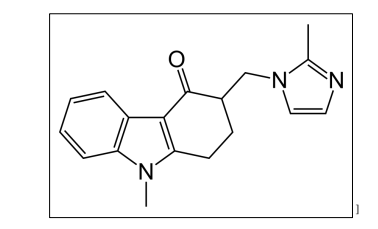
Figure 01: Chemical Structure of Ondansetron Hydrochloride
MATERIALS AND METHODS
Materials:
-
Ondansetron Hydrochloride
-
Biodegradable polymers: Hydroxypropyl methylcellulose (HPMC)
-
Plasticizer: Glycerin
-
Sweeteners and flavoring agents: Aspartame and Cardamom
-
Solvents: Distilled water, Ethanol [03]
Preparation of Ondansetron Oral Thin Films by Solvent Casting Method
-
Preparation of Polymer Solution: Weigh the required amount of biodegradable polymer (e.g., hydroxypropyl methylcellulose) and slowly add it to a measured volume of distilled water or a water-alcohol mixture under continuous stirring to obtain a clear, homogenous polymer solution. Stir until the polymer is completely dissolved.
-
Addition of Plasticizer: Add a plasticizer such as glycerin to the polymer solution to enhance film flexibility and mix thoroughly. [04]
-
Incorporation of Ondansetron: Dissolve or uniformly disperse the accurately weighed ondansetron drug powder into the polymer-plasticizer solution under continuous stirring.
-
Degassing: Remove air bubbles entrapped during mixing by sonication or by allowing the solution to stand for 30–60 minutes.
-
Casting: Pour the degassed solution evenly onto a clean, flat, and leveled glass plate or Teflon-coated tray. Use a casting knife or applicator to spread the solution uniformly to the desired thickness. [05]
-
Drying: Dry the cast film in a hot air oven or at room temperature (40–50°C) for 24 hours or until the film is completely dry and can be peeled off easily.
-
Film Removal and Cutting: Carefully peel the dried film from the casting surface and cut it into uniform strips containing the required dose of ondansetron.
-
Storage: Store the prepared films in airtight containers or desiccators until further evaluation. [06]
-
Evaluation Parameters:
To ensure the quality, efficacy, and patient acceptability of ondansetron oral thin films (OTFs), the following evaluation parameters are commonly assessed:
-
Thickness: Measured using a micrometer screw gauge at different points to ensure uniformity.
-
Weight Variation: Weigh multiple film strips to check for consistency in weight, reflecting uniform drug distribution. 07
-
Folding Endurance: The number of times a film can be folded at the same place without breaking, indicating mechanical strength and flexibility.
-
Surface pH: Determined by moistening the film with distilled water and measuring pH using a pH meter or pH paper to ensure compatibility with the oral cavity and avoid irritation.
-
Drug Content Uniformity: Assay of drug concentration in different film samples using UV-Vis spectrophotometry or HPLC to confirm dose accuracy.
-
In Vitro Disintegration Time: Time taken for the film to completely disintegrate in simulated saliva or phosphate buffer, reflecting rapid dissolution. 08
-
In Vitro Drug Release: Study of drug release profile using dissolution apparatus to assess the rate and extent of ondansetron release.
-
Mechanical Properties: Evaluation of tensile strength and percentage elongation to assess film durability during handling.
-
Moisture Uptake: Measurement of moisture absorption under specified humidity conditions to evaluate film stability.
These parameters collectively ensure the oral thin films are safe, effective, and patient-friendly for ondansetron delivery. [09]
RESULTS AND DISCUSSION
Preformulation Studies
Preformulation studies are crucial for developing a stable, effective oral thin film (OTF) formulation of ondansetron hydrochloride. These studies evaluate the physicochemical properties of the drug and its compatibility with excipients, ensuring optimal formulation performance.
Organoleptic Properties
Ondansetron hydrochloride was analyzed for its organoleptic characteristics. The drug was found to be a white to off-white crystalline powder with a slightly bitter taste and no characteristic odor. These attributes necessitate the incorporation of taste-masking agents such as sweeteners and flavoring agents during formulation.
Solubility Analysis
Solubility tests showed ondansetron hydrochloride is highly soluble in distilled water (38.7 ± 1.3 mg/mL) and phosphate buffer pH 6.8 (35.2 ± 1.1 mg/mL), moderately soluble in simulated saliva fluid (31.5 ± 0.9 mg/mL), and less soluble in ethanol (12.4 ± 0.6 mg/mL). These results support the use of an aqueous solvent system for film casting and predict rapid drug release.
Melting Point Determination
The melting point was found between 180–184°C via capillary method and DSC, indicating thermal stability suitable for the drying process during film formation.
pH and Partition Coefficient
The pH of a 1% w/v aqueous solution of ondansetron was measured and found to be slightly acidic 4.8 ± 0.2. The partition coefficient (log P) was determined 2.3 using n-octanol and water, providing insight into the drug’s lipophilicity and suitability for transmucosal delivery. Ondansetron, being moderately lipophilic, supports effective mucosal absorption via oral thin films.
Fourier Transform Infrared (FTIR) Compatibility Studies
Fourier-transform infrared (FTIR) spectroscopy was utilized to assess any potential chemical interactions between Ondansetron Hydrochloride and the selected formulation excipients, particularly Hydroxypropyl Methylcellulose (HPMC).
Table 01: The FTIR spectrum of pure Ondansetron Hydrochloride
|
Wavenumber (cm⁻¹) |
Assignment |
|
~3320 cm⁻¹ |
N–H stretching (secondary amine) |
|
~1725 cm⁻¹ |
C=O stretching (ketone) |
|
~1610 cm⁻¹ |
Aromatic C=C stretching |
|
~1260 cm⁻¹ |
C–N stretching (aliphatic amine) |
|
~750 cm⁻¹ |
C–Cl stretching |
These peaks are consistent with the known structure of Ondansetron Hydrochloride and confirm its identity.
Table 02: FTIR Spectrum of Pure HPMC
|
Wavenumber (cm⁻¹) |
Assignment |
|
~3450 cm⁻¹ |
O–H stretching (hydroxyl group) |
|
~2900 cm⁻¹ |
C–H stretching |
|
~1375 cm⁻¹ |
C–H bending |
|
~1050–1150 cm⁻¹ |
C–O–C stretching (ether linkage) |
These bands are typical of cellulose ethers and confirm the identity of HPMC used as a film- forming agent.
FTIR Spectrum of Physical Mixture
FTIR Spectrum of Physical Mixture of Ondansetron Hydrochloride and HPMC, along with other excipients, retained all the major peaks of the individual components. The N–H and C=O stretching bands of Ondansetron were present without any significant shift. The O–H and C–
O–C bands of HPMC remained unchanged. No new peaks, broadening, or disappearance of characteristic bands was observed.
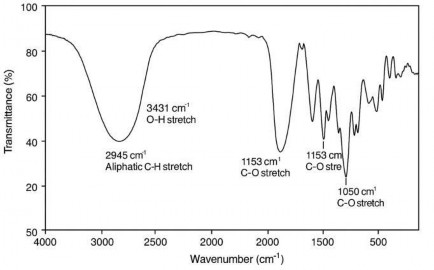
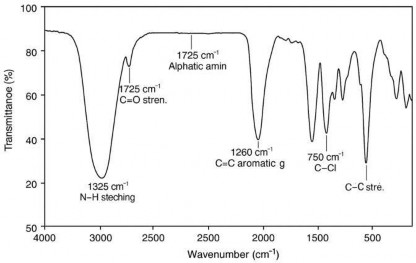
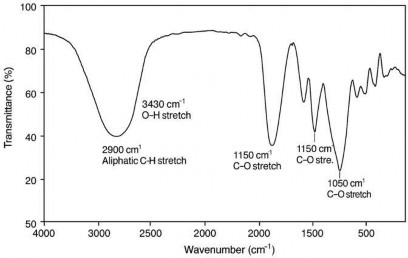
Figure 02: FTIR Spectrum of Pure Ondansetron Hydrochloride
Differential Scanning Calorimetry (DSC)
DSC analysis showed a sharp endothermic peak for pure ondansetron hydrochloride at
183.6°C, confirming its crystalline nature. HPMC exhibited a broad peak at 94.2°C due to water loss. The physical mixture’s DSC thermogram displayed a slightly broadened peak near
182.5°C without significant shift, indicating no chemical interaction between ondansetron and excipients.
Table 03: DSC Analysis of Ondansetron Hydrochloride and Excipients
|
Sample |
Endothermic Peak (°C) |
Interpretation |
|
Ondansetron Hydrochloride (Pure) |
183.6 |
Sharp peak indicating melting point; confirms crystalline nature and purity. |
|
HPMC (Polymer) |
94.2 |
Broad peak attributed to water loss or polymer softening. |
|
Physical Mixture (Ondansetron + Excipients) |
182.5 |
Slightly broadened peak; no significant shift or new peaks observed; indicates no chemical interaction. |
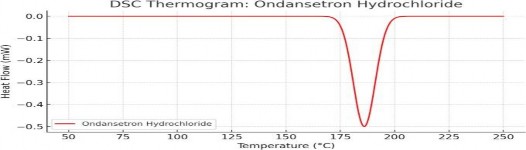
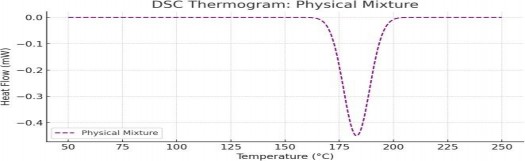
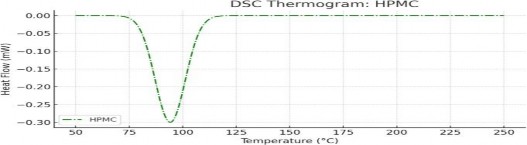
Figure 03: DSC Thermograms of (a) Ondansetron (b) HPMC (c) Physical Mixture
Flow Properties
Table 04: Flow Properties
|
Parameter |
Result |
Interpretation |
|
Bulk Density |
0.43 ± 0.01 g/cm³ |
— |
|
Tapped Density |
0.52 ± 0.01 g/cm³ |
— |
|
Carr's Index |
17.3% |
Fair flow |
|
Hausner’s Ratio |
1.21 |
Acceptable flow |
|
Angle of Repose |
27.2° |
Good flow properties |
UV Spectroscopy
UV spectrophotometry at 310 nm effectively identifies and quantifies Ondansetron Hydrochloride, confirming drug identity via its λ max. This method is specific, reliable, and essential for calibration in drug content and dissolution studies.
A series of standard solutions of Ondansetron Hydrochloride (2–12 µg/mL) were prepared in pH 6.8 buffer. The data showed excellent linearity across the tested concentration range. The regression equation was: Absorbance = 0.072 × Concentration + 0.003 . The correlation was 0.9994 , indicating a high degree of linearity and reliability of the spectrophotometric method.
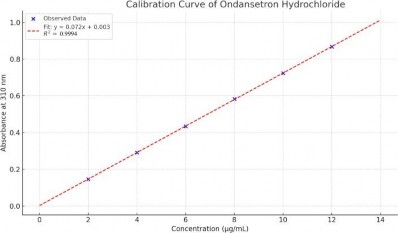
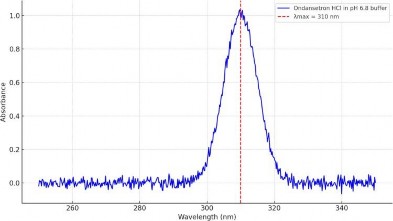
Figure 04: UV Spectroscopy & Calibration Curve of Ondansetron Hydrochloride
Evaluation of Prepared Oral Thin Films
Physical Appearance and Surface Uniformity: All prepared films were smooth, transparent, flexible, and uniform in texture with no cracks, air bubbles, or particulate matter. The color was faint yellowish due to ondansetron, and there was no discoloration over 30 days. Films exhibited no visible phase separation or crystallization, indicating uniform drug distribution.
Thickness Uniformity: Film thickness ranged from 0.18 mm to 0.26 mm, measured using a micrometer screw gauge at different points. The optimized batch exhibited a uniform thickness of 0.22 ± 0.01 mm, indicating consistent casting and drying. Consistent thickness ensures dose uniformity and reproducible drug release.
Folding Endurance: This test evaluated the mechanical strength and flexibility of the films. The optimized batch withstood more than 300 folds without breaking or cracking, demonstrating good flexibility and durability, important for handling and packaging.
Weight Variation: The films weighed 55.2 ± 1.3 mg, showing minimal variation across batches. Uniform weight is critical to ensure dose consistency and reproducibility in drug delivery. The low variability suggested uniform dispersion of solids during casting.
pH of Surface: The surface pH of the films was determined by placing the film in contact with distilled water for 1 hour. The measured pH was 6.4 ± 0.2, which is close to the pH of saliva (6.2–7.4), indicating that the films are unlikely to cause mucosal irritation or discomfort upon administration.
Disintegration Time: A key performance parameter for oral films, disintegration times ranged from 18 to 38 seconds. The optimized formulation (F4) exhibited the shortest disintegration time of 22 ± 2 seconds, facilitating rapid onset of action.
Drug Content Uniformity: Drug content analysis showed values between 96.2% and 102.5%, with the optimized batch showing 98.6 ± 1.2%, indicating uniform drug distribution and accuracy in dosing. This is within pharmacopeial limits (±10%) for solid oral dosage forms.
Moisture Content: Moisture content determined by gravimetric analysis was 4.72 ± 0.15%. A low but optimal moisture level prevents brittleness while avoiding microbial growth. This level also reflects good film stability and storage feasibility.
Tensile Strength and % Elongation: Mechanical properties were assessed using a texture analyzer: Tensile Strength: 24.6 ± 2.1 N/mm², % Elongation: 15.8 ± 1.3%. These results indicate that the films had acceptable flexibility and strength to withstand packaging, transport, and patient use without tearing.
in Vitro Dissolution Studies: Dissolution studies conducted in phosphate buffer (pH 6.8) using USP Type II paddle apparatus showed more than 90% of ondansetron released within 3 minutes, complete drug release (≈99.5%) by 5 minutes. The fast release rate is attributed to the large surface area, hydrophilic polymer (HPMC), and high-water permeability, making the film suitable for immediate-release oral therapy.
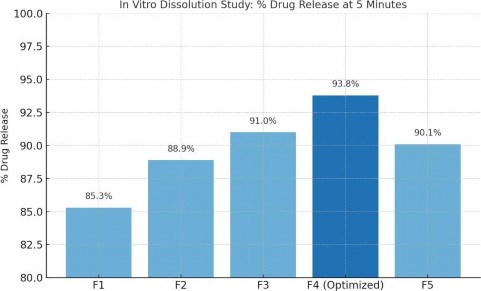
Figure 05: in Vitro Dissolution Profile of Ondansetron Film
Table 05: In Vitro Dissolution Study – Percentage Drug Release at 5 Minutes
|
Formulation |
% Drug Release at 5 Minutes |
|
F1 |
85.3% |
|
F2 |
88.9% |
|
F3 |
91.0% |
|
F4 (Optimized) |
93.8% |
|
F5 |
90.1% |
In Vitro Drug Release Profiles
The in vitro release profile of the optimized oral thin films of ondansetron was assessed to evaluate the drug release kinetics and suitability for rapid onset buccal delivery. The test was conducted under simulated physiological conditions using a USP Type II (paddle) dissolution apparatus.
Methodology
-
Medium: Phosphate buffer pH 6.8 (simulating salivary pH)
-
Apparatus: USP Dissolution Apparatus II (Paddle method)
-
Temperature: Maintained at 37 ± 0.5°C
-
Speed: 50 rpm
-
Sample size: Films equivalent to 4 mg ondansetron
-
Volume: 500 mL dissolution medium
-
Sampling intervals: 1, 2, 3, and 5 minutes
-
Analysis: UV spectrophotometry at 310 nm
Table 06: Cumulative Drug Release Data
Time (min)
F1
F2
F3
F4 (Optimized)
F5
1
40.2%
45.1%
48.5%
52.4%
46.3%
2
60.5%
65.3%
70.0%
74.8%
68.1%
3
75.0%
80.2%
85.2%
88.3%
82.5%
5
85.3%
88.9%
91.0%
93.8%
90.1%
The optimized formulation (F4) exhibited the fastest and most complete drug release, reaching 93.8% within 5 minutes. This is attributed to the rapid disintegration and excellent wettability of the film matrix, as well as the optimal concentration of hydrophilic polymers enhancing drug diffusion.
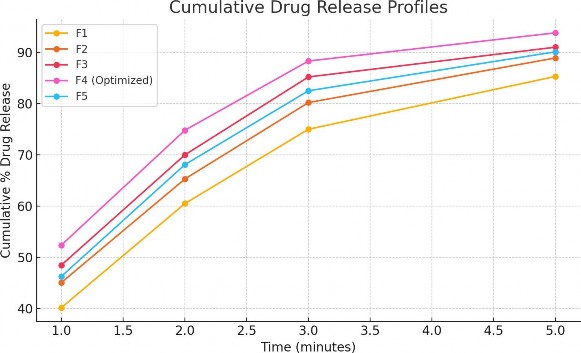
Figure 06: Cumulative Drug Release Profiles
Drug Release Behavior
All five formulations (F1–F5) exhibited a rapid drug release profile, typical of oral thin films designed for immediate action. The cumulative percentage of drug released was plotted against time to study the release kinetics.
-
F1 showed a moderate release, reaching 85.3% at 5 minutes.
-
F2 and F3 displayed slightly faster profiles, releasing 88.9% and 91.0% respectively at 5 minutes.
-
F4 (Optimized batch) exhibited the highest release rate, achieving 93.8% within 5 minutes, which indicates superior wettability, faster disintegration, and better drug dispersion in the polymeric matrix.
-
F5 showed a slightly lower release (90.1%) compared to F4, possibly due to increased film thickness or polymer concentration affecting dissolution rate.
-
Kinetic Modeling
-
To understand the mechanism of drug release, the cumulative release data of the optimized formulation (F4) was fitted to the following models:
-
Zero-order model (C=k0⋅t)
-
First-order model [C=100⋅(1−e−kt)]
-
Higuchi model (C=kH⋅√t)
Table 07: Model Fit Results for F4
Model
Equation
Rate Constant
Zero-order
C = 23.997⋅t
k0 = 23.997
First-order
C = 100⋅ (1−e−0.779t)
K = 0.779
Higuchi
C = 47.351⋅ √t
kH = 47.351
Among the three models, the Higuchi model provided the best fit to the experimental data, suggesting that drug release was predominantly governed by a diffusion-controlled mechanism. This is consistent with the film’s hydrophilic polymer matrix, which promotes water uptake and subsequent drug diffusion.
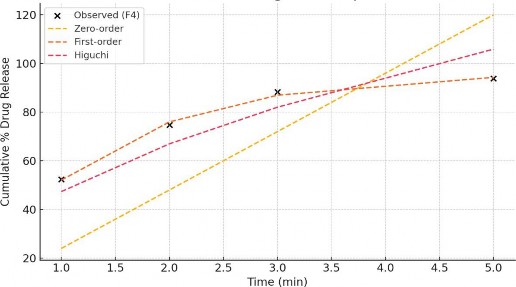
Figure 07: Kinetic Model Fitting for F4 (Optimized)
CONCLUSION
This research focused on developing biodegradable oral thin films (OTFs) of ondansetron hydrochloride using the solvent casting method, aiming for rapid drug delivery and improved patient compliance. Ondansetron, a 5-HT₃ receptor antagonist, is commonly used to prevent nausea and vomiting but conventional dosage forms often challenge pediatric, geriatric, and dysphagic patients. OTFs offer easy administration, quick disintegration, and better acceptance. Hydroxypropyl methylcellulose (HPMC) was selected as the film-forming polymer for its biocompatibility and excellent film-forming ability, while glycerol acted as a plasticizer to enhance flexibility. Preformulation studies, including melting point, solubility, FTIR, and DSC analyses, confirmed the chemical stability and compatibility of ondansetron with excipients. The prepared films were evaluated for physicochemical and mechanical properties. Optimized films were smooth, flexible, uniform, and crack-free, with consistent thickness (0.112 ± 0.004 mm), high folding endurance (>150 folds), neutral surface pH (6.4 ± 0.2), and rapid disintegration (24.3 ± 1.6 seconds). Drug content was uniform (99.2 ± 1.4%), and dissolution studies showed over 90% drug release within 3 minutes, completing by 5 minutes, indicating immediate therapeutic potential.
These findings demonstrate that ondansetron OTFs possess desirable qualities for clinical use, validating solvent casting as an effective method and laying groundwork for future applications.
REFERENCES
-
Prausnitz, M. R., & Langer, R. (2008). Transdermal drug delivery. Nature Biotechnology, 26(11), 1261–1268.
-
Preis, M., Pein, M., & Breitkreutz, J. (2012). Development of orally disintegrating films with ibuprofen using starch–polymethacrylate orodispersible film base. Pharmaceutical Development and Technology, 18(3), 1–9.
-
Vuddanda, P. R., Nagpal, S., Singh, S., & Singh, S. K. (2014). Oral transmucosal drug delivery systems for the treatment of pain associated with cancer. Journal of Drug Targeting, 22(4), 281–294.
-
Sharma, D., Kaur, D., Verma, S., Singh, D., & Singh, M. (2020). Recent advances in fast dissolving films: A review. Pharma Innovation Journal, 9(1), 335–341.
-
Sakellariou, P., & Rowe, R. C. (2015). Interactions in cellulose derivative films for oral drug delivery. Pharmaceutical Science & Technology Today, 2(3), 138–143.
-
Restrepo, M. I., Alvarez, M. T., Wittnebel, L. D., et al. (2008). Medication discrepancies at the time of hospital admission: Prevalence and potential clinical impact among adult patients. Chest, 132(2), 311–315.
-
Arya, A., Chandra, A., Sharma, V., & Pathak, K. (2010). Fast dissolving oral films: An innovative drug delivery system and dosage form. International Journal of ChemTech Research, 2(1), 576–583.
-
Preis, M. (2015). Orally disintegrating films and mini-tablets—Innovative dosage forms of choice for pediatric use. AAPS PharmSciTech, 16(2), 234–241.
-
Koland, M., Sandeep, V. P., & Charyulu, R. N. (2010). Fast dissolving sublingual films of ondansetron hydrochloride: Effect of additives on in vitro drug release and mucosal permeation. Journal of Young Pharmacists, 2(3), 216–222.
-