
FORMULATION AND DEVELOPMENT OF PARACETAMOL GUMMY CANDY
1*Riddhi Gupta, 2Vaishnavi Jondhale, 3Siddhi Gupta, 4Miss. Priya Ambre, 5Dr. Pallavi Phalke,
⁶Nitin Bharud
1,2,3,4,5Department of Pharmacy Matoshri Radha College of Pharmacy Virgaon 423301
Corresponding Author: Riddhi Gupta E-mail address : riddhigupta7806@gmail.com
ABSTRACT
Paracetamol (acetaminophen) gummy gel as an alternative dosage form for pain relief, aiming to improve patient compliance, particularly in children and individuals with difficulty swallowing tablets. The gummy gel was formulated using a combination of natural gelling agents, sweeteners, and paracetamol. The formulation was characterized in terms of its physical, chemical, and pharmacological properties. The study evaluates the gel's stability, release profile, and effectiveness compared to conventional tablet forms. Safety and user acceptance were also analyzed.
Keywords: Acetaminophen, gummy candy, pyrexia, endogenous
INTRODUCTION
Paracetamol gummy candy is an innovative pharmaceutical confection designed to offer pain relief in a more enjoyable and palatable form. Typically, paracetamol is consumed in tablet or liquid form, but the gummy version provides a convenient alternative, especially for children or adults who have difficulty swallowing pills. These gummies combine the analgesic properties of paracetamol with the pleasant taste and chewable texture of a candy, making it easier to adhere to pain management regimens. The formulation of paracetamol gummies involves ensuring precise dosing while maintaining the stability of the active ingredient within the gummy matrix. The candy may contain other ingredients, such as sweeteners, Flavors, and coloring agents, which contribute to its overall appeal. In addition to their primary function as a pain reliever, these gummies can also serve as a more discreet and portable option for users. Jellies and gummies are popular with both children and adults. The base of a gummy bear is typically composed of a jellifying agent (pectin, modified starch, gelatin, etc.) and sugars, in which water-soluble ingredients can be dissolved and insoluble ingredients are suspended in the viscous matrix. As a result, the application range of gummies is broad.
Special notes for Gummy form: -
-
Sugar content: Might be a concern for people with diabetes or on sugar-restricted diets.
-
Children: Risk of accidental overdose due to candy-like appearance.
-
Chewable additives: Some gummies may include vitamins or herbal ingredients, which might have their own interactions.
-
Analgesic mechanism of paracetamol: -
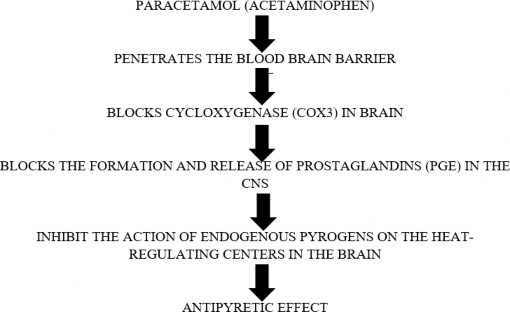
-
Pharmacokinetic: -
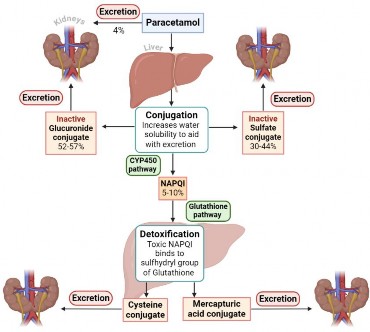
Fig.1 Pharmacokinetic
Table 1: Pharmacokinetic
Action
Absorption
Paracetamol is well absorbed in the gastrointestinal tract. Oral paracetamol is absorbed, mainly from the small bowel, by passive transport, and has high, though variable, bioavailability.
Distribution
Paracetamol is distributed throughout the body fluids in a homogeneous way. Paracetamol given at therapeutic doses binds to plasma protein at less than 20%.
Metabolism
Paracetamol is essentially metabolized in the liver by conjugation with glucuronic acid (55%) and sulfuric acid (35%). Hepatotoxic metabolites are produced in small amounts by the cytochrome P450 (isoenzyme CYP2E1).
Excretion
Metabolites are excreted through the kidneys in the urine. Only 2-5% of the dose is excreted in an unchanged form in the urine. As a consequence of its short elimination half-life (1-3h), 24 hours after the ingestion of a single dose of paracetamol, 98% of the dose is eliminated.
Bioavailability
Oral Bioavailability is dose dependant: with larger doses, the hepatic first pass effect is reduced due to overwhelming of the liver enzymatic capacity; and therefore, bioavailability is increased.
-
Uses of Paracetamol Gummy candy: -
Paracetamol gummy candy is used for several conditions: -
-
Fever (Pyrexia): -Helps reduce elevated body temperature caused by infections, vaccinations, or other illnesses.
-
Headaches: -Effective in relieving tension headaches, mild migraines, and general head pain.
-
Toothache: -Provides temporary relief from dental pain, teething (in children), or post- dental procedure discomfort.
-
Cold and Flu Symptoms
-
Helps ease associated symptoms such as:
-
Fever
-
Body aches
-
Mild sore throat pain
-
-
Muscle Aches: -Useful for mild muscle soreness due to overexertion, physical activity, or viral infections.
-
Back Pain: -Provides relief from lower back pain or muscle strain.
-
Post-Vaccination Discomfort: -Commonly used to manage mild fever and pain after vaccinations, especially in children.
-
Earache (Otalgia): -Can help reduce pain and fever related to ear infections in children.
-
-
Advantages of preparation of medicated gummy candy for children: -
-
Kid-Friendly Format
-
Easier for children to take than tablets or liquid medicines.
-
Pleasant taste masks the bitter taste of paracetamol.
-
-
Convenience
-
No need for water or measuring spoons.
-
Great for on-the-go use.
-
-
Improved Compliance
-
Patients (especially children or elderly) are more likely to take medicine regularly if it’s
enjoyable and easy to consume
Precautions:
-
Dosage Control is crucial—overdosing on paracetamol can cause liver damage.
-
Keep out of reach of children—because they taste like candy, there’s a risk of
accidental overdose.
-
Always check the exact paracetamol content per gummy and follow the dosing instructions from a healthcare provider or package insert.
-
-
-
Side effect: -
-
Common (but rare at correct doses)
-
Nausea
-
Vomiting
-
Stomach upset or pain
-
Loss of appetite
-
-
Serious (usually from overdose or prolonged use)
-
Liver damage: -The most dangerous side effect of paracetamol.
-
Symptoms of liver issues include:
-
Yellowing of skin or eyes ( jaundice )
-
Dark urine
-
Fatigue
-
Pain in the upper right abdomen
-
-
Allergic reactions (rare)
-
Rash
-
Itching or swelling (especially of the face, tongue, or throat) Aim: To prepare and evaluate paracetamol gummy candy. Objective of paracetamol gummy candy:
The objective of paracetamol gummy candy is to provide a convenient, palatable, and child- friendly way to deliver the therapeutic effects of paracetamol (acetaminophen).
Main Objectives:
-
Pain relief (analgesic): Helps reduce mild to moderate pain such as:
-
Headaches
-
Toothaches
-
Muscle aches
-
Sore throat
-
Minor injuries
-
-
Fever reduction (antipyretic): Lowers fever caused by:
-
Infections (like colds, flu)
-
Teething (in children)
-
Post-vaccination fever
-
Specific Goals for Gummy Form:
-
-
Ease of administration: Especially for children or adults who have difficulty swallowing pills or dislike liquid medicine.
-
Improved compliance: Tastes better, so users (especially kids) are more likely to take the correct dose.
-
Portability & convenience: No need for water, easy to carry.
-
Ingredient used in formulation:
API: Paracetamol
Excipients: gelatine, agar, sucrose, citric acid, methylparaben
Table 2 Ingredients & Role
|
Ingredients |
Role |
|---|---|
|
Paracetamol |
API |
|
Sucrose |
Sweetening agent |
|
Gelatine |
Gelling agent |
|
Agar |
Gelling Agent |
|
Citric acid |
Buffer {adjust pH} |
|
Glycerine |
Softening Agent, act as Humectant |
|
Sorbitol |
Sweetener |
|
Sodium Benzoate |
Preservative |
Equipment Used During Formulation: -
-
Precision scale (for accurate drug dosage)
-
Beaker
-
Homogenizer or mixer
-
Molds (food-grade silicone)
-
Drying racks or controlled environment chamber
Chemical Used: -
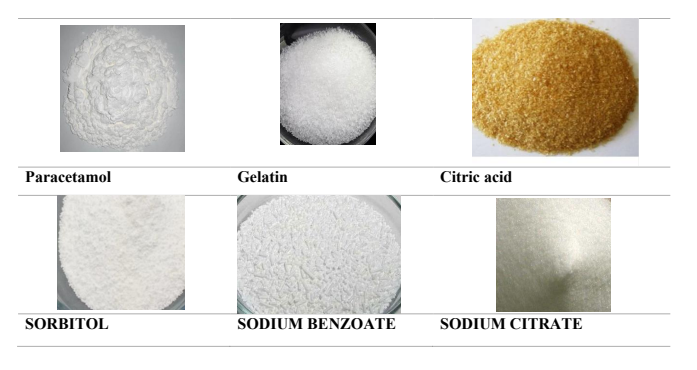
Apparatus Used: -
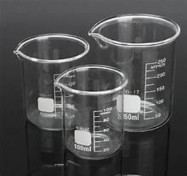
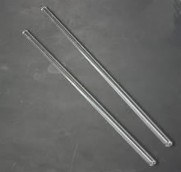

BEAKER STIRRER BURNER
Procedure
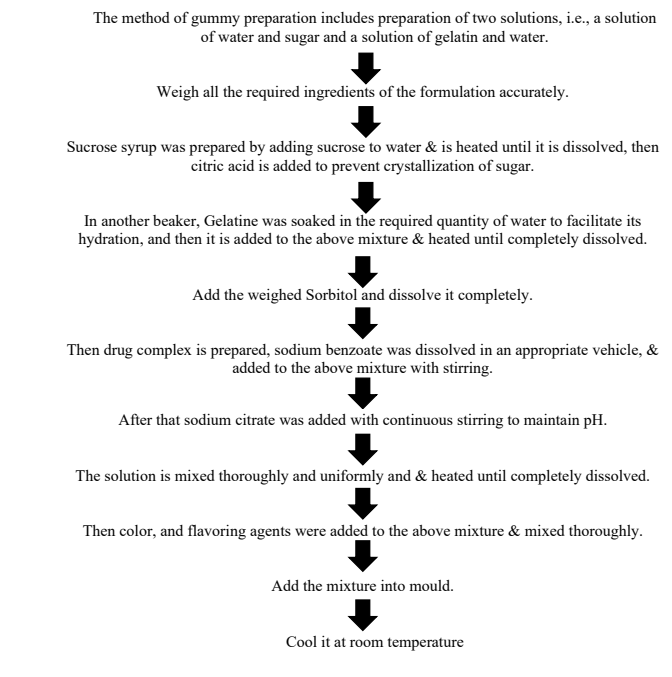
Table 3 Batches
|
Sr.no |
Ingredients |
F1(10gm) |
F2(20gm) |
F3(30gm) |
Role |
|---|---|---|---|---|---|
|
1 |
Paracetamol |
1gm |
2gm |
3gm |
API |
|
2 |
Sucrose |
2.50gm |
5gm |
7.50gm |
Sweetener |
|
3 |
Gelatin |
2.00gm |
4gm |
6gm |
Gelling agent |
|
4 |
Sorbital |
1.50gm |
3gm |
4.50gm |
Humectant |
|
5 |
Citric Acid |
0.10gm |
0.20gm |
03.0gm |
|
|
6 |
Sod.Citrate |
0.10gm |
0.20gm |
0.30gm |
Buffering agent |
|
7 |
Sod.Benzoate |
0.01gm |
0.02gm |
0.03gm |
Preservative |
|
8 |
Water |
q. s |
q. s |
q. s |
Solvent |
|
9 |
Coloring Agent |
0.01gm |
0.02gm |
0.03gm |
Gives color |
|
10 |
Flavoring Agent |
0.03gm |
0.06gm |
0.09gm |
Taste enhancer |
F1 Batch
Preparation of two solution
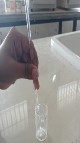
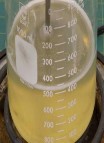
Solution of water and 2.50gm sugar, Solution of water & 2.00gm gelatin

Add 0.10gm citric acid in sucrose solution to prevent crystallization of sugar
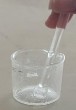
Add above solution in solution of gelatin and then 1.50gm Sorbital and dissolve completely

Add 1gm Drug (paracetamol) & 0.01gm Na. Benzoate dissolve in appropriate vehicle and add above mixture and stir


0.10gm Na. Citrate was add during stirring to maintain pH
Solution is mixed thoroughly, Heat until completely dissolved

Then add 0.01gm coloring and 0.03gm flavoring agent to above mixture & mixed thoroughly
Add mixture in mould
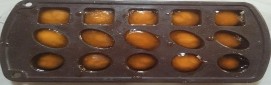
Cool in room temperature
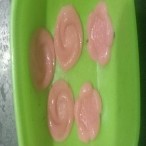
F2 Batch
Preparation of two solution
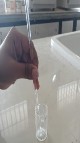
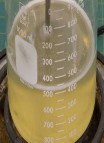
Solution of water and 5gm sugar, Solution of water and 4gm gelatine
Add 0.20gm citric acid in sucrose solution to prevent crystallization of suga
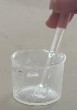
Add above solution in solution of gelatin and then 3 gm Sorbital and dissolve completely
Add 2gm Drug (paracetamol) & 0.02gm Na. Benzoate dissolve in appropriate vehicle and add above mixture and stir
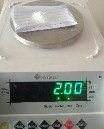

0.20gm Na. Citrate was add during stirring to maintain pH
Solution is mixed thoroughly, Heat until completely dissolved

Then add 0.02gm coloring and 0.06gm flavoring agent to above mixture & mixed thoroughly
Add mixture in mould
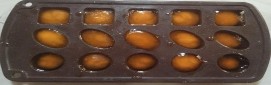
Cool in room temperature
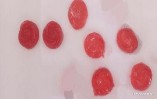
F3 Batch
Preparation of two solution
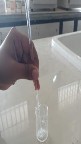
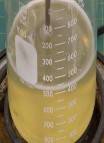
Solution of water and 7.50gm sugar, Solution of water and 6gm gelatin
Add 0.10gm citric acid in sucrose solution to prevent crystallization of sugar
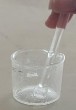
Add above solution in solution of gelatin and then 03.0gm Sorbital and dissolve completely
Add 3gm Drug (paracetamol) & 0.03gm Na. Benzoate dissolve in appropriate vehicle and add above mixture and stir
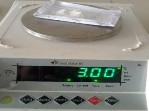

0.30gm Na. Citrate was add during stirring to maintain pH
Solution is mixed thoroughly, Heat until completely dissolved

Then add 0.03gm coloring and 0.09gm flavoring agent to above mixture & mixed thoroughly
Add mixture in mould
Cool in room temperature
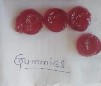
Result:
Evaluation Test of Gummies:
-
Physical Appearance
a) Colour b) Odour c) Shape d) State e) Taste f) Texture
-
weight variation
-
Thickness
-
Drug content
-
pH of gummy
-
Stability testing
-
Physical Appearance: -
All the prepared gummies are visually observed for their colour, shape, odour, texture, and clarity of gummies. Taste and odor should be pleasant and acceptable. No visible defects like air bubbles, cracks, or discoloration.
-
Thickness: -
The thickness of a gummy was measured using Vernier Calliper. The thickness of 5 gummies were checked. To measure the consistency of thickness among gummy units, which impacts packaging, dosage uniformity, and consumer experience.
Procedure: -
-
Sample Size: Randomly select 5 to 10 gummies from a production batch.
-
Measurement Procedure:
-
Place the gummy flat on a clean, firm surface.
-
Measure the maximum vertical height (thickness) at the center.
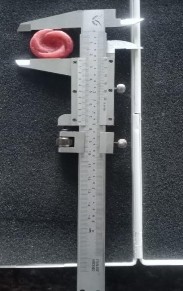
Figure: Vernier calliper
-
-
-
Calculate Average Weight: Add the 10 weights and divide by 10 to get the mean weight.
Determine Deviation: Calculate the percentage deviation of each gummy from the mean weight:

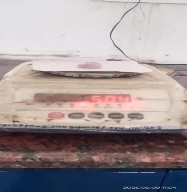
Figure: Weighing balance
-
pH Determination:
-
Dissolve gummy in distilled water.
-
Measure pH using a digital pH meter
-
Ideal pH: around 4.0–7,0 for oral dosage safety.
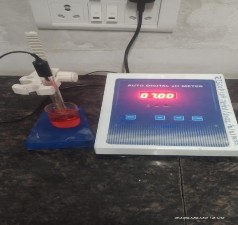
Figure: pH meter
-
-
Wight uniformity test:
The weight variation test of gummies is commonly used in pharmaceutical and settings to ensure uniformity in dosage (e.g., when gummies contain vitamins, minerals, or other active ingredients).
Purpose: To verify that each gummy contains the correct amount of the active ingredient by confirming uniformity in weight.
Procedure:
-
Sample Size: Select 10 randomly chosen gummies from a batch.
-
Weigh Individually:
-
Weigh each gummy separately using a precision balance.
-
Record the individual weights.
-
-
-
Drug Content Uniformity (Assay): is a critical quality control test used in pharmaceuticals, especially for dosage forms like gummies, tablets, or capsules that contain active pharmaceutical ingredients (APIs). Its goal is to ensure each unit contains the correct amount of drug, within an acceptable range.
Procedure:
-
Crushed gummy samples are dissolved in a suitable solvent.
-
Analyze using UV spectroscopy.
-
Acceptable limit: 90–110% of the labeled amount of paracetamol.
Sample Size: Select 10 dosage units (e.g., 10 gummies) at random from a batch.
Stability Studies: The gummies are stable in cool Temperature. stable at room temperature but increase the temperature gummies was melted.
-
-
In Vitro Drug Release (Dissolution Test):
-
Performed using USP dissolution apparatus (Type I or II).
-
Use buffer (pH 5.8 or 6.8), 37°C, 50–100 rpm.
-
Analyze samples at regular intervals.
-
At least 80% drug release should occur within 30–45 minutes.
-
-
Moisture Content:
-
Determined using Karl Fischer titration or LOD (Loss on Drying) method.
-
Excess moisture may affect stability and microbial growth.
RESULT
Result: Gummies was formulated and evaluated using the drug albendazole.
-
Physical appearance
S.No
PROPERTY
INFERENCE
Formula 1
Formula 2
Formula 3
1.
Colour
Pink
Yellow
Faint pink
2.
Shape
Rose shape
circular, square
Rose shape
3.
Odour
Strawberry like
Mangoes like
Strawberry like
4.
Taste
Sweet
Sweet
Sweet
5.
Texture
Smooth flexible
Smooth flexible
Smooth flexible
Table 4 Physical appearance
-
Thickness:
Formula 1
Formula2
Formula 3
gummies
Thickness (cm)
gummies
Thickness
gummies
Thickness
1.
2
1.
2.4
1.
2.4
2.
2.3
2.
2.4
2.
2.4
3.
2.5
3.
2.4
3.
2.4
4.
2.4
4.
2.4
4.
2.4
5.
2.5
5.
2.4
5.
2.4
Table 5: Thickness
-
Weight variation:
Gummies
Weight (gm)
1.
5.00
2.
5.00
3.
5.01
4.
5.00
5.
5.10
6.
5.00
7.
5.00
8.
5.01
9.
5.00
10.
5.00
-
pH measurement:

-
Microbial testing:
-
It is done by using streak plate method
-
Result – No growth was found
-
Prepare the Agar Plate
-
Sterilize the Inoculating Loop
-
Obtain the Sample
-
Streaking the Plate
-
Incubation
-
-
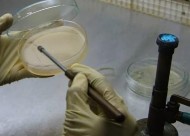
Figure: Streak Plate Method
CONCLUSION
Paracetamol gummy candies represent an innovative and more accessible way to take medication, particularly for those who struggle with traditional pill forms, like children or individuals who dislike swallowing tablets. Their taste appeal and ease of consumption make them a convenient alternative for both pain relief and fever reduction. However, their sweet, candy-like nature poses risks, especially when it comes to overconsumption, which could lead to serious health issues like liver damage.
While they are effective and generally safe when used properly, clear dosage instructions and careful packaging are essential to prevent accidental overdose. For children, they provide a more enjoyable experience, but supervision is important to ensure they take the correct amount.
Overall, paracetamol gummy candies can be a useful option for those who prefer or need alternative medication forms, but like any medication, they should be used responsibly and according to the recommended guidelines. As the market for edible medicines continues to grow, it's crucial that both manufacturers and consumers remain mindful of the potential risks while enjoying the convenience and accessibility that these products offer.
DISCUSSION
Paracetamol gummy candies are an interesting and increasingly popular form of medication delivery, especially for children or individuals who have difficulty swallowing pills. Paracetamol (also known as acetaminophen in some countries) is a common over-the-counter pain reliever and fever reducer. Typically, it comes in tablet, liquid, or capsule form, but the gummy candy version is a newer innovation. These gummies contain a specific dose of paracetamol are formulated to be more palatable, with a sweet, fruity taste, which makes them easier to ingest, especially for kids.
For Kids: Kids often struggle with swallowing pills, and liquid medicine can be unpleasant. Gummy versions make taking medicine feel like a treat.
For Adults: Even adults might prefer gummies over traditional pills, especially if they have a sensitive stomach or difficulty swallowing tablets
REFERENCES
-
Laxmi Gupta, (2024) Formulation and evaluation of paracetamol gummy for improved patient compliance in children with viral fever and body ache. Journal of Pediatric , 12(4), 85-92.
-
CURRENT INNOVATION IN DEVELOPMENT OF FUNCTION GUMMY
CANDIES Mohammad Tarahi, Sima Tahmouzi, Mohammad Reza Kianiani, Shiva Ezzati, Sara Hedayati, Mehrdad Niakousari.
-
Samah Hamed Almurisi, Khater AL-Japairai, Farhan Alshammari, Fawaz Alheibshy, Rana M.F. Sammour, Abd Almonem Doolaanea Published in: Gels , 25 February 2022DOI: 10.3390/gels8030144.
-
Dr. Suchita Gokhale (2023). et.al Gokhale, S., & et al. (2023). Gummies as a hydrocolloid-based confectionery: Developing healthier and more palatable gummy jellies with improved nutritional characteristics. International Journal of Food Science , 58(3), 150-159.
-
Ana Rita Almeida, Beatriz Vouga, Cátia Morais, Inês Correia, Pedro Pereira, Raquel P.
F. Guiné Published in: Open Agriculture, July 2021
-
Sabere AS, Suhaimi NA, Ahmed QU, Mahat MM, Roslan NC, Azizi J Published in: Journal of Pharmacy & Bioallied Sciences , July 2021, 13(3):312 DOI: 10.4103/jpbs.JPBS_783_20.
-
Tschumak GJ, Wajnermann ES, Tolstogusow WB Published in: Die Nahrung, 1976DOI: 10.1002/food.19760200312.
-
Rowles A. What is gelatin good for? benefits, uses and more [Internet]. Healthline. Healthline Media; 2017 [cited 2023Apr11]. Available from: https://www.healthline.com/nutrition/gelatin-benefits.
-
DEVELOPMENT AND CHARACTERIZATION OF HEALTHY GUMMY JELLIES
CONTAINING NATURAL FRUITS (July 2021) Ana Rita Almeida, Beatriz Vouga, Cátia Morais, Inês Correia, Pedro Pereira, Raquel P. F. Guiné.
-
FORMULATION OF VEGAN NUTRITIONAL GUMMIES SUPPLEMENTS (2023)
Pandey Rashmi, Kejariwal Mona.
-
Dr. Suchita Gokhale, Dr. Smita Takharkhede, Ms. Pallavi Gupta, Ms. Komal Gupta, Mr. Aashish Gupta. "Formulation and Evaluation of Paracetamol Gummies”. INTERNATIONAL JOURNAL OF NOVEL RESEARCH AND
-
Rutuja R. Khatode, Saniya B. Pathan, Pratik Datir, Shraddha Khaladkar. Formulation and evaluation of Multivitamin Gummies. International Journal of Advanced Research in Science, Communication and Technology. 2022:391–9. 37. Lohar PB, Shrivastav P, Kulavoor.
-
"Development of Fiber-Rich Gummies" by Priya Bharat Lohar, Pooja Manojkumar Shrivastav, and Suhana Suleman Kulavoor, published in the International Journal of Advance Research, Ideas and Innovations in Technology in 2020.
-
Development and Characterization of Paracetamol Medicated Lollipops" by Hatem A. Hejaz, Ayat Kanan, Mahmood Al Mohtaseb, and Ameer Ja’bari, published in Pharmaceutical Technology in Hospital Pharmacy in December 2020.
-
Bagul, S. S., & et al. (2012). Improving pediatric patient compliance with palatable and visually appealing dosage forms: The role of medicated confectioneries. Journal of , 19(6), 381-388.
-
Kearns, G.L., et al. (2003). Developmental pharmacology—Drug disposition, action, and therapy in infants and children. New England Journal of Medicine, 349(12), 1157– 1167
-
Sharma et al. (2021) titled Development and evaluation of paracetamol gummy formulation for pediatric use in the International Journal of Pharmaceutical Sciences Review and Research.
-
Centric Pharmaceutical Drug Product Design with Regard to Solid Oral Dosage Forms”
by Nélio Drumond, published in the Journal of Pharmaceutical Innovation (2020)
-
Meesang S, Wuttijumnong P, Pongsawatmanit R, Chenputhi S. Effect of gelatin sucrose/glucose syrup ratio and citric acid on physical properties and sensory quality of gummy jelly product. In Proceedings of 41stKasetsart University Annual Conference, 3-7 February, 2003. Subject: Agro-Industry 2003 (pp. 20-27). B
-
Yan B, Davachi SM, Ravanfar R, Dadmohammadi Y, Deisenroth TW, Van Pho T, Odorisio PA, Darji RH, Abbaspourrad A. Improvement of vitamin C stability in vitamin gummies by encapsulation in casein gel. Food Hydrocolloids. 2021 Apr 1; 113:106414.
-
Rutuja R. Khatode, Saniya B. Pathan, Pratik Datir, Shraddha Khaladkar. Formulation and evaluation of Multivitamin Gummies. International Journal of Advanced Research in Science, Communication and Technology. 2022;391–9.
-
Lohar PB, Shrivastav P, Kulavoor S. [PDF] development of fiber rich gummies: Semantic scholar [Internet]. International Journal of Advance Research, Ideas and Innovations in Technology. 1970 [cited 2023Apr11].
-
Edite Teixeira-Lemos*, Ana Rita Almeida, Beatriz Vouga, Cátia Morais, Inês Correia,
Pedro Pereira, Raquel P. F. Guiné Development and characterization of healthy gummy jellies containing natural fruits.
-
Studies on the preparation of gummy candy from a blend of pineapple and beetroot juice Ansari Altamash, Er. Shanta Peter and Himani Nautiyal published in November 2022 The Pharma Innovation Journal 2022; 11(11): 1708-1713.
-
Traxler Hans. The life and times of gummy bears. Gelatin. Gelatin manufacturers institute of America, Inc; c1993. p. 145.
-
Achumi LV, Peter S, Das A. Studies on preparation of gummy candy using pineapple juice and carrot juice. International Journal of Chemical Studies. 2018;6(5):1015-1018.
-
Dobhal A, Awasthi P. Formulation of beetroot candy using simple processing techniques and quality evaluation. Journal of Pharmacognosy and Phytochemistry. 2019;8(4):913-916.
-
Grubben GJH, Denton OA. Plant Resources of Tropical Africa 2. Vegetables. PROTA Foundation, Wageningen; Backhuys, Leiden; CTA, Wageningen; c2004. p. 110.
-
Joy PP. Benefits and uses of pineapple, Pineapple. Publication of Research Gate. 2010; 01:01.
-
H. Ge, Y. Wu, L.L. Woshnak, S.H. Mitmesser Effects of hydrocolloids, acids and nutrients on gelatin network in gummies Food Hydrocolloids, 113 (2021), Article 106549, 10.1016/j.foodhyd.2020.106549 .
-
Imai K. Alendronate Sodium Hydrate (Oral Jelly) for the Treatment of Osteoporosis: Review of a Novel, Easy to Swallow Formulation. Clinical Interventions in Aging. 2013; 8: 681-8
-
Kumar KS (2013) Recent trends in taste masking of bitter drugs. Journal of Drug Delivery Research 1: 1-11.
-
Manali R, Shah DP. ORAL MEDICATED JELLY: A RECENT ADVANCEMENT IN FORMULATION.
-
Mukati S, Sharma A, Joshi A, Koshta A, Malviya S, Kharia A. Formulation and Development of Medicated Chewing Gum Containing Ondansetron and Domperidone. International Journal of Newgen Research in Pharmacy & Healthcare. 2023 Jun 30:80- 6.
-
Prakash K, Satyanarayana VM. Formulation Development and Evaluation of Novel Oral Jellies of Carbamazepine Using Pectin, Guar Gum and Gellan Gum. Asian Journal of Pharmacy, 2014; 8: 2419.